Benefits of Chamomile
The Benefits of Chamomile: A Complete Guide to Egypt's Most Trusted Herb
July 22, 2026 · 10 min read
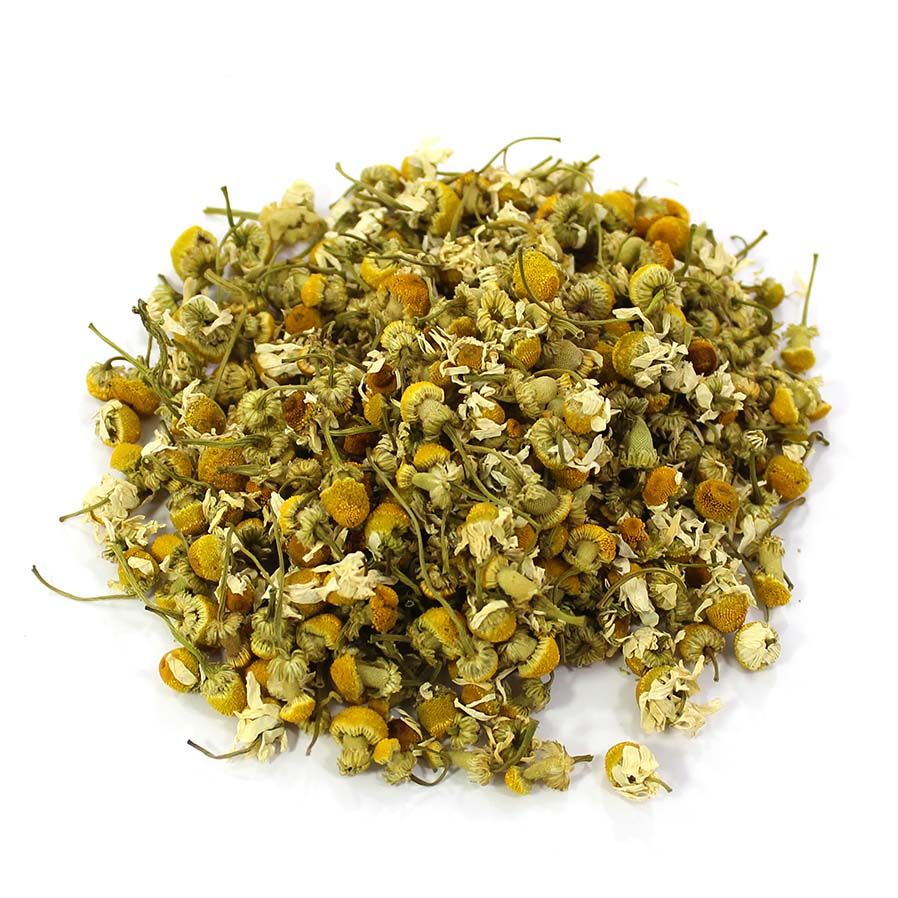
Chamomile is one of the oldest and most widely traded herbs in the world, and Egypt — particularly the Fayoum region — has become one of its most respected sources. If you have ever bought a box of chamomile tea, there is a good chance the flowers inside were grown under the Egyptian sun. In this guide, we look at what chamomile actually is, why it has been valued for centuries, and what separates premium export-grade chamomile from the rest.
What Is Chamomile?
Chamomile refers to several daisy-like plants in the Asteraceae family, the most commercially important being German chamomile (Matricaria chamomilla) and Roman chamomile (Chamaemelum nobile). Egyptian export production is overwhelmingly German chamomile, grown for its small, apple-scented white-and-yellow flowers, which are hand- or machine-harvested and dried shortly after blooming to preserve their essential oil content.
The dried flower heads are the part used in tea, extracts, and cosmetic formulations. Their quality is judged on colour, aroma, moisture content, and the proportion of intact flower heads versus broken material or stems — all factors that a buyer should ask about before placing a bulk order.
Traditional Uses of Chamomile
Chamomile has a long history in folk and traditional medicine across Europe, the Middle East, and North Africa. It is traditionally used for relaxation, as a calming bedtime infusion, and to support digestive comfort after meals. Its mild, slightly sweet flavour also makes it one of the most approachable herbal teas for people trying caffeine-free infusions for the first time.
It is worth being clear about the limits of this: chamomile is a food-grade herbal ingredient with a long history of traditional use, not a medical treatment, and none of this should be read as medical advice. Anyone with specific health concerns, allergies (particularly to ragweed and related plants), or who is pregnant should speak with a qualified healthcare provider before using any herbal product regularly.
What's Inside Chamomile Flowers
Chamomile's characteristic aroma and colour come from its essential oil, which contains compounds such as alpha-bisabolol and chamazulene — the latter responsible for the deep blue colour visible when chamomile essential oil is distilled. The dried flowers also contain flavonoids, including apigenin, which has been studied for its properties in laboratory and preliminary research settings. Reputable buyers and formulators typically request a certificate of analysis (CoA) confirming essential oil content, as this is one of the clearest indicators of raw material quality.
Why Egyptian Chamomile Is Different
Three things set Fayoum-grown chamomile apart from other origins:
- Climate: Egypt's dry, sunny growing season concentrates essential oils in the flower heads and reduces the risk of mould or fungal contamination during growth and drying.
- Harvest timing: Experienced growers harvest at peak bloom, when oil content is highest, rather than harvesting on a fixed schedule.
- Manual sorting: Much of Egypt's chamomile is still hand-sorted to remove stems and broken material, producing a higher whole-flower percentage than fully mechanised operations in some other origins.
These factors are part of why Egypt consistently ranks among the top global exporters of chamomile, alongside origins like Croatia, Germany, and Argentina.
How Chamomile Is Processed for Export
After harvest, chamomile flowers are dried — either in the shade or using controlled low-temperature drying equipment — to bring moisture content down to a level that prevents spoilage during storage and shipping (typically below 10%). The dried flowers are then sifted to remove stems, dust, and foreign matter, graded by whole-flower percentage, and lab-tested for moisture, pesticide residue, and microbial load before packing.
From there, chamomile is packed either as loose bulk flowers (in food-grade bags, most often for further processing by the buyer) or pre-portioned into tea bags for direct retail. See our packaging options for the formats we offer.
Bulk Chamomile vs. Tea Bag Chamomile
Buyers generally fall into two categories. Tea companies and private-label brands often want pre-filled tea bags, ready for retail packaging under their own brand. Food, cosmetic, and supplement manufacturers more often want loose bulk flowers or cut-and-sifted material, which they process further — extracting essential oil, milling into powder, or blending with other botanicals.
Both formats start from the same raw material; the difference is in processing and packaging further downstream. If you are unsure which format suits your business, our team can advise based on your intended use and target market.
Storing Chamomile for Maximum Freshness
Dried chamomile is sensitive to light, heat, and humidity, all of which accelerate the loss of essential oils and the fading of colour and aroma. For longest shelf life:
- Store in a cool, dry place away from direct sunlight.
- Keep in airtight, food-grade packaging until ready for use.
- Avoid repeated opening and closing of bulk bags, which introduces humidity.
- Use within 12–18 months of harvest for best aroma and colour, though well-stored chamomile remains usable well beyond that.
Chamomile Essential Oil vs. Dried Flowers
Chamomile reaches buyers in two very different forms, and it's worth understanding the distinction. Dried whole or cut flowers are the raw agricultural product — used directly for tea, or as the starting material for further processing. Chamomile essential oil, by contrast, is a concentrated distillate produced by steam-distilling large quantities of fresh or dried flowers, yielding the deep blue oil prized in aromatherapy and cosmetic formulation. The yield ratio is dramatic: it can take well over a hundred kilograms of flowers to produce a single kilogram of essential oil, which is part of why the oil commands a significantly higher price per unit weight than the dried herb. Buyers should be clear about which form they need before requesting quotes, since sourcing, pricing, and shipping considerations differ substantially between the two.
Common Chamomile Grades Explained
Not all dried chamomile is sold to the same specification, and grading terminology can be confusing for first-time buyers. Broadly, chamomile is graded on whole-flower percentage — the proportion of intact flower heads versus broken petals, stems, and dust. A premium export grade typically specifies a high whole-flower percentage (often 85% or higher), pale golden-white petal colour, a strong characteristic apple-like aroma, and moisture content controlled below roughly 10%. Lower grades, with more broken material and a higher stem content, are generally sold at a discount and are often destined for extraction or milling, where whole-flower appearance matters less than active compound content. When comparing quotes between suppliers, always ask for the exact grading specification behind the price — a lower price often simply reflects a lower grade, not better value.
Chamomile in Cosmetics and Aromatherapy
Beyond tea, chamomile extract and essential oil are widely used in the cosmetics industry — in soothing skincare formulations, shampoos, and topical products, largely because of chamazulene and bisabolol's long history of use in this context. Aromatherapy practitioners also value chamomile essential oil for its calming scent profile. Buyers in these industries typically need documentation beyond a standard food-grade certificate of analysis, including a full chemical composition/GC-MS report for essential oil, confirming the relative percentages of key compounds — this is a different (and more detailed) documentation request than a typical tea or bulk herb buyer would need, so it's worth specifying upfront when requesting a quote.
Chamomile's Role in Egyptian Agriculture
Chamomile cultivation is a meaningful part of the agricultural economy in growing regions like Fayoum, where many small and mid-sized farms depend on it as a cash crop alongside food staples. Because chamomile harvesting is still substantially manual — flowers are delicate and bruise easily under mechanical harvesting — production supports significant seasonal agricultural employment during the harvest window. This labour-intensive, hand-sorted approach is part of what gives Egyptian chamomile its characteristically high whole-flower percentage compared to more mechanised origins, but it also means supply can be more sensitive to labour availability and weather during the harvest season than buyers might expect from a more industrialised crop.
Sourcing Bulk Chamomile from Egypt
For importers and formulators looking to source chamomile directly from origin, working with an established exporter matters as much as the product itself — it affects consistency, documentation, and how quickly problems get resolved if they arise. Look for suppliers who can provide lab test results, phytosanitary certificates, and consistent grading from shipment to shipment. It's also worth asking how a supplier handles year-to-year harvest variability — chamomile yield and quality can shift with weather conditions, and a transparent supplier will tell you honestly if a given season's crop differs from the previous year's, rather than blending inconsistent lots to mask the difference.
Explore our current chamomile offering or browse our full herb and spice catalog to see what else we export alongside chamomile. If you are placing a bulk order, our contact page is the fastest way to reach our export team for a quote.
Comparing Chamomile Suppliers: What to Look For
Because chamomile is such a widely traded commodity, buyers often receive quotes from multiple exporters at noticeably different price points for what looks, on paper, like the same product. The differences usually come down to a handful of factors worth explicitly comparing rather than assuming: the specific whole-flower percentage guaranteed (not just described as "premium"), whether a certificate of analysis is provided as standard or only on request, harvest freshness (chamomile from the most recent harvest generally has stronger aroma and colour than older carryover stock sold at a discount), and packaging quality (moisture-appropriate bags versus generic sacks that offer less protection in transit). Asking each prospective supplier the same specific set of questions makes quotes genuinely comparable, rather than comparing price alone across offers that may differ substantially in what's actually being delivered.
Chamomile Beyond Tea: Other Uses Worth Knowing
While tea remains chamomile's best-known use, dried chamomile and its extracts appear across a surprisingly wide range of finished products: bath and body products, hair care formulations (chamomile's yellow pigment has a long history of use as a natural hair-lightening ingredient), scented candles and potpourri, and as a flavour component in some baked goods and confectionery in certain regional culinary traditions. For exporters and buyers alike, understanding this range of downstream demand helps explain why chamomile production has remained commercially resilient even as consumer trends within any single end-use category (like tea) shift over time — demand from one sector can offset softer demand in another.
Related Pages
Frequently Asked Questions
Is Egyptian chamomile organic?
We offer both conventionally grown and certified organic chamomile, depending on the harvest and buyer requirements. Ask our team for current organic certification availability.
What is the shelf life of dried chamomile flowers?
Properly dried and stored chamomile typically retains good aroma and colour for 12–18 months, and remains usable for longer if kept in airtight, cool, dark storage.
What is the difference between German and Roman chamomile?
German chamomile (Matricaria chamomilla) is an annual plant and the type most commonly grown for tea and bulk export in Egypt. Roman chamomile (Chamaemelum nobile) is a perennial, more often used in essential oil production, with a slightly different aroma profile.
Can I request a sample before placing a bulk order?
Yes. We regularly send samples to prospective buyers for quality evaluation before committing to a full order. Reach out through our contact page to request one.
What packaging options are available for bulk chamomile?
We offer jute bags, PP woven bags, kraft bags, and tea bag formats depending on order size and intended use. See our packaging page for details.
Does chamomile tea contain caffeine?
No, chamomile is naturally caffeine-free, which is part of why it's a popular evening or bedtime infusion.
How much dried chamomile does it take to produce essential oil?
Yields vary by distillation method and flower quality, but it commonly takes well over a hundred kilograms of chamomile flowers to produce a single kilogram of essential oil, which is a major factor in the oil's higher price point compared to dried flowers.
What documentation should I request for cosmetic-grade chamomile?
For essential oil intended for cosmetic or aromatherapy use, request a GC-MS composition report in addition to a standard certificate of analysis, confirming the relative percentages of key compounds like chamazulene and bisabolol.
Why does chamomile quality vary between harvest years?
Like any agricultural crop, chamomile yield and quality are affected by weather and growing conditions each season. A transparent supplier will communicate year-to-year variation rather than blending inconsistent lots to hide it.