Guides on Egyptian herbs, spices, tea, and export — for buyers, importers, and the curious.
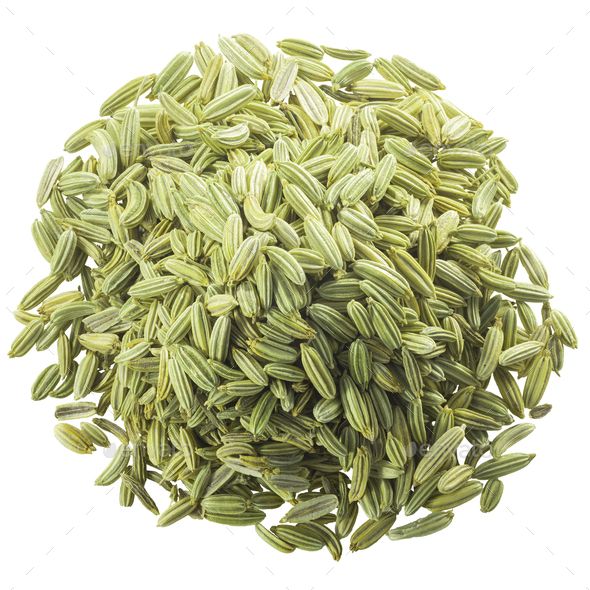
Fennel Seeds
A staple of ancient trade routes and modern export sacks alike — here's what Egyptian fennel seeds are, how they're graded, and what buyers should know before sourcing in bulk.
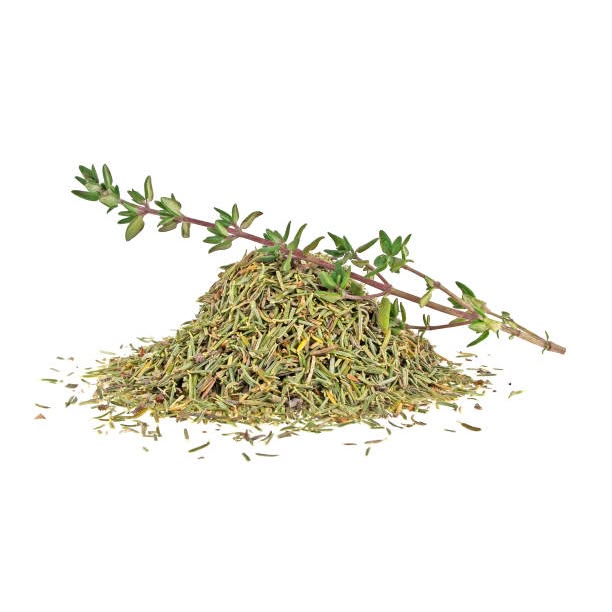
Thyme
Thymol, ancient embalming rituals, and a Mediterranean herb Egypt grows exceptionally well — here's the story behind one of the world's most versatile dried herbs.
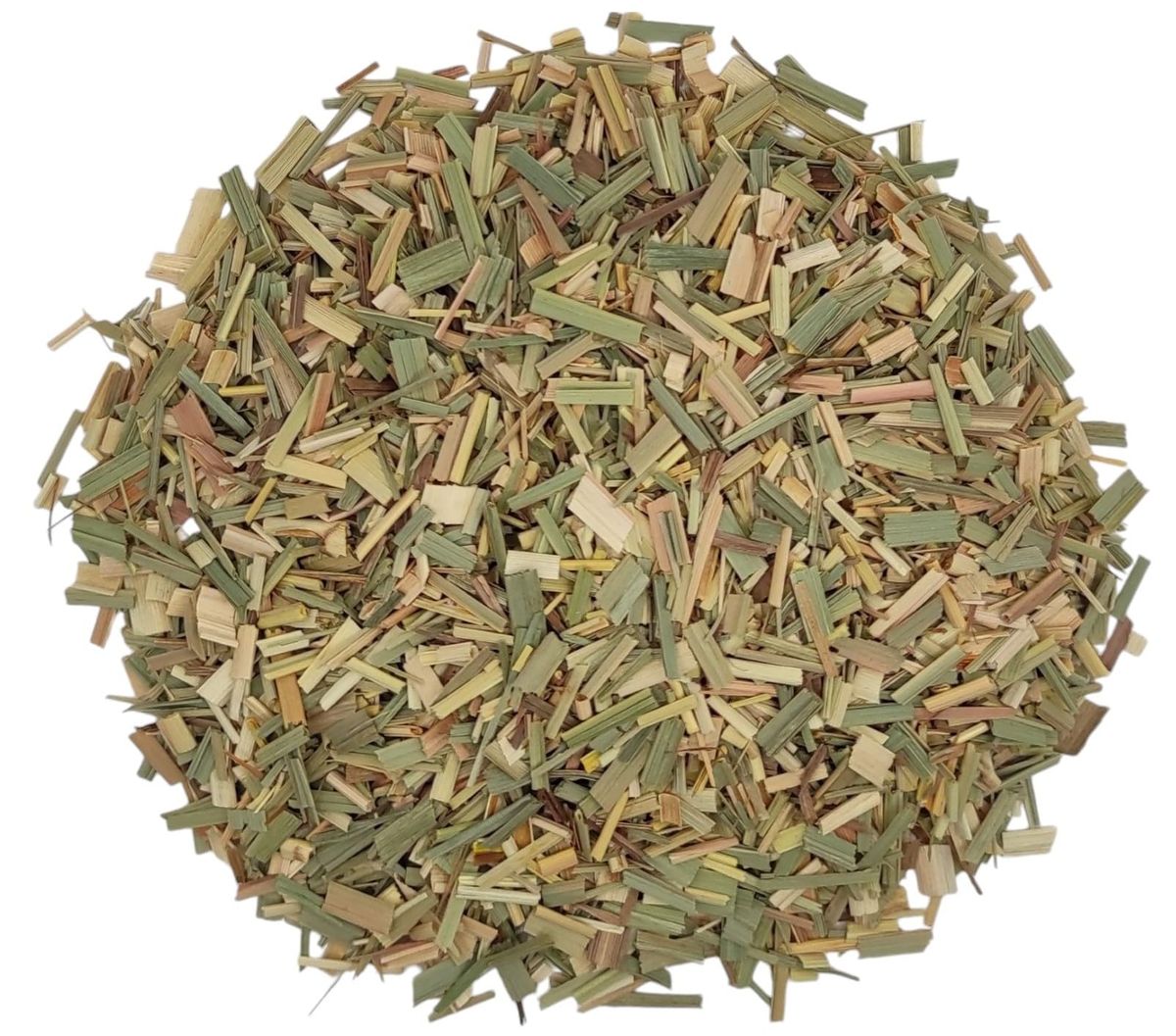
Lemongrass
From Thai prawn salad to mosquito-repelling candles, lemongrass punches above its weight. Here's what buyers should know about this citrus-scented grass.
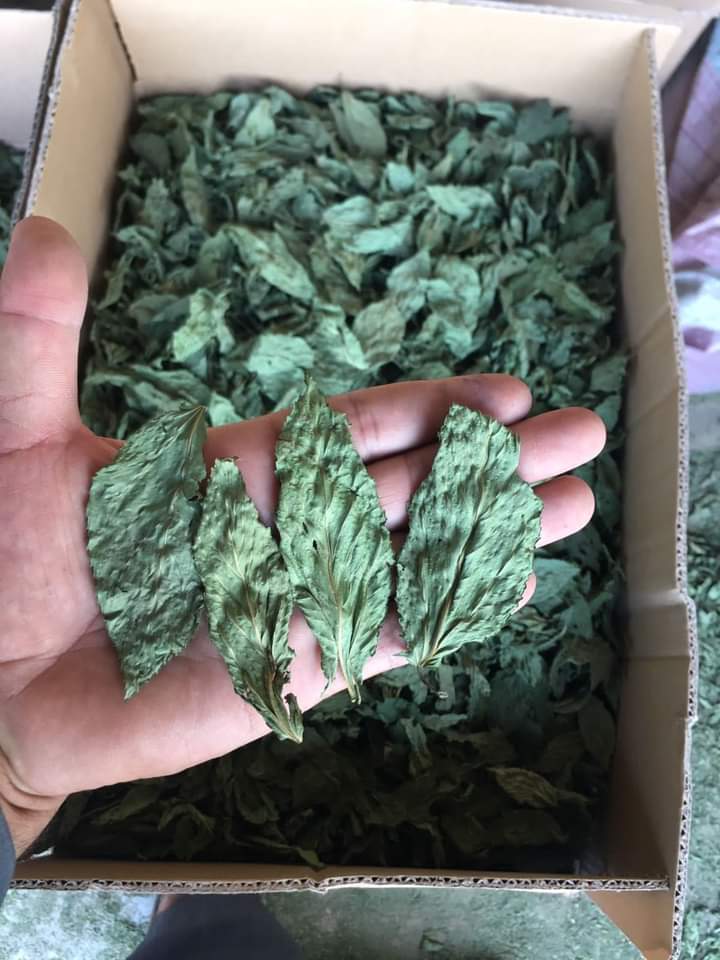
Molokhia
Documented by Pliny the Elder and eaten in Egypt since antiquity, molokhia is one of the country's most culturally significant leaf vegetables. Here's the full picture for buyers.
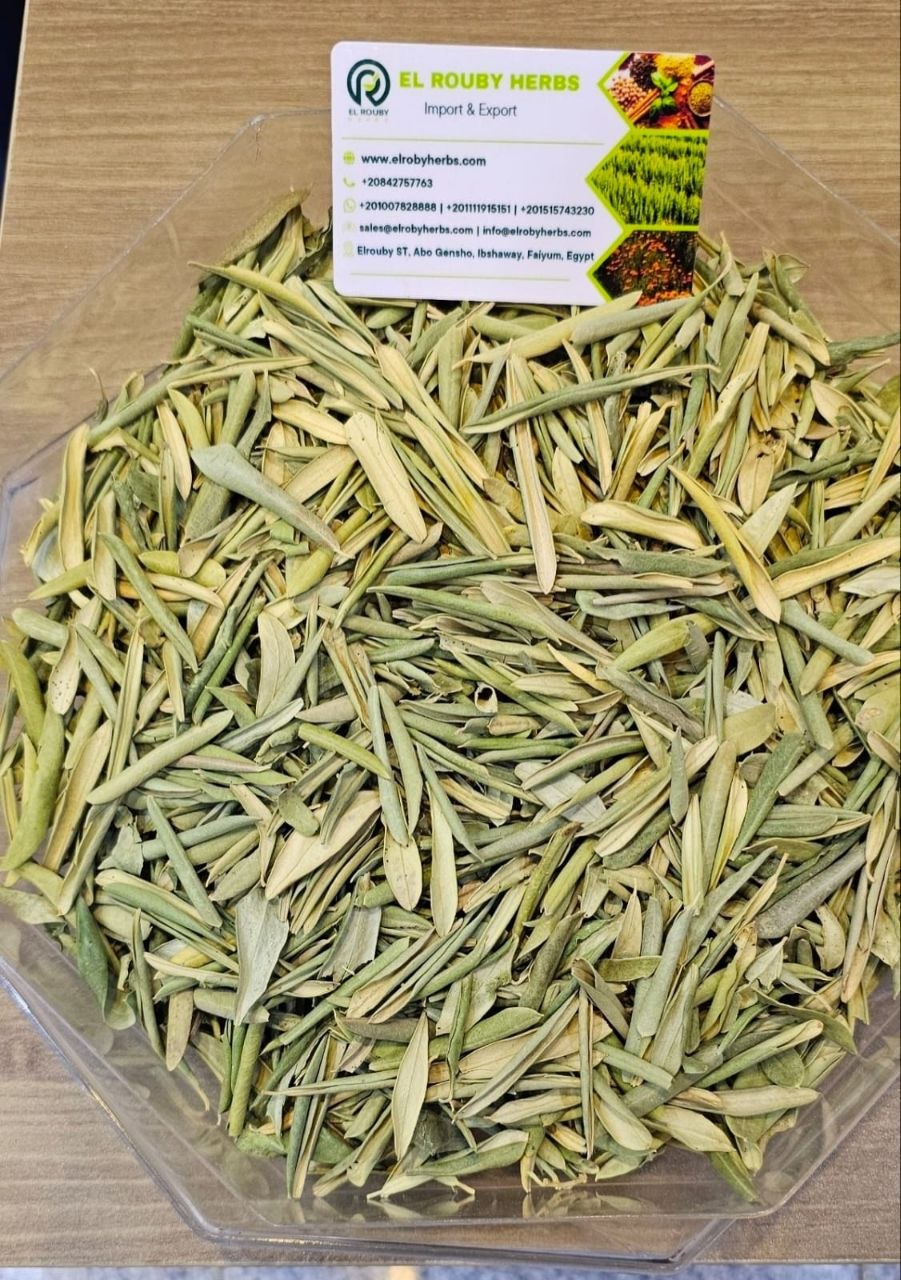
Olive Leaves
Long before olive oil dominated the conversation, Mediterranean cultures were brewing tea from the olive tree's leaves. Here's what's actually in them — and what buyers should know.
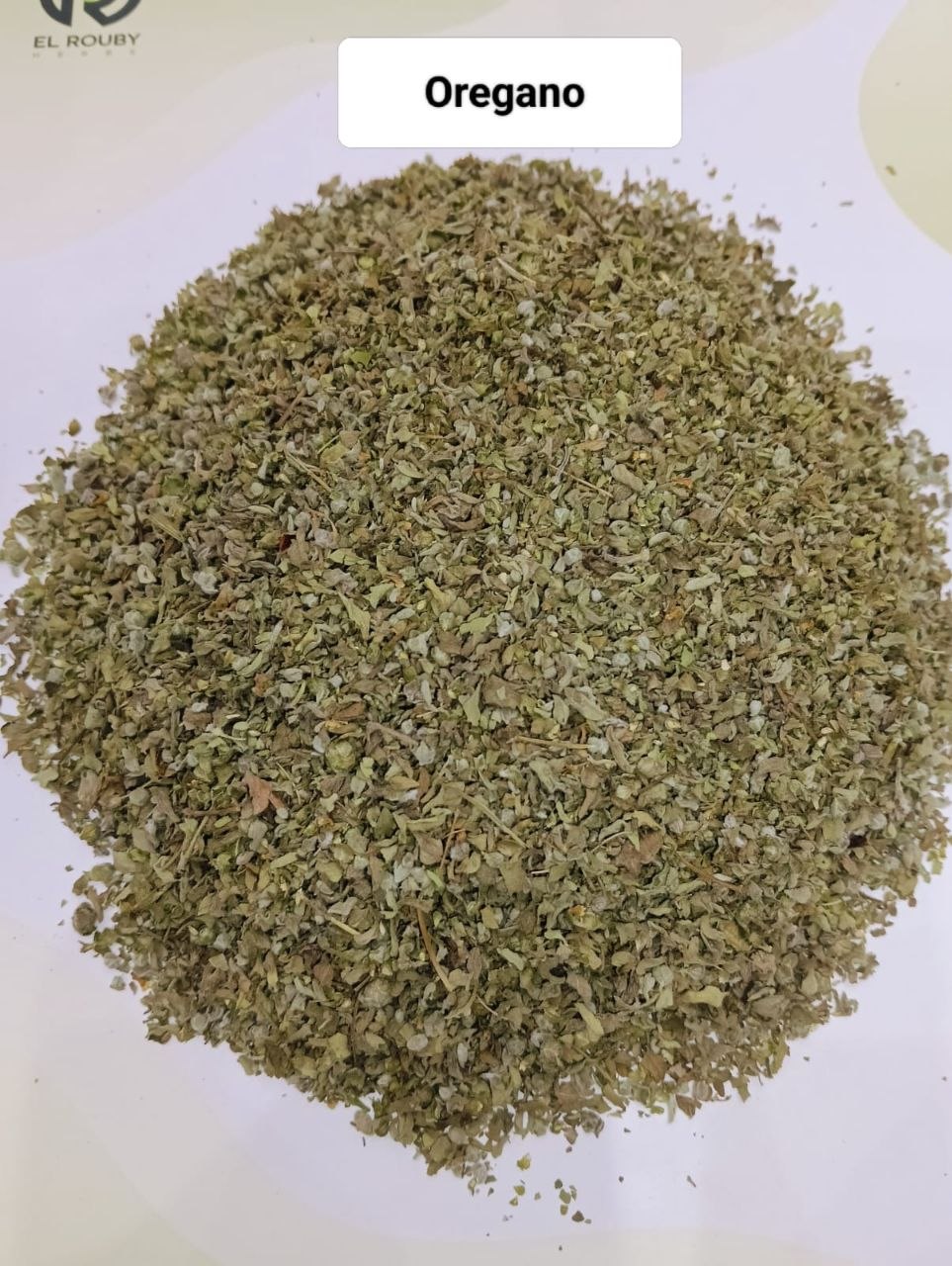
Oregano
It took American soldiers returning from World War II to make oregano a household name in the U.S. — but Mediterranean cooks had known its value for centuries. Here's the full story.
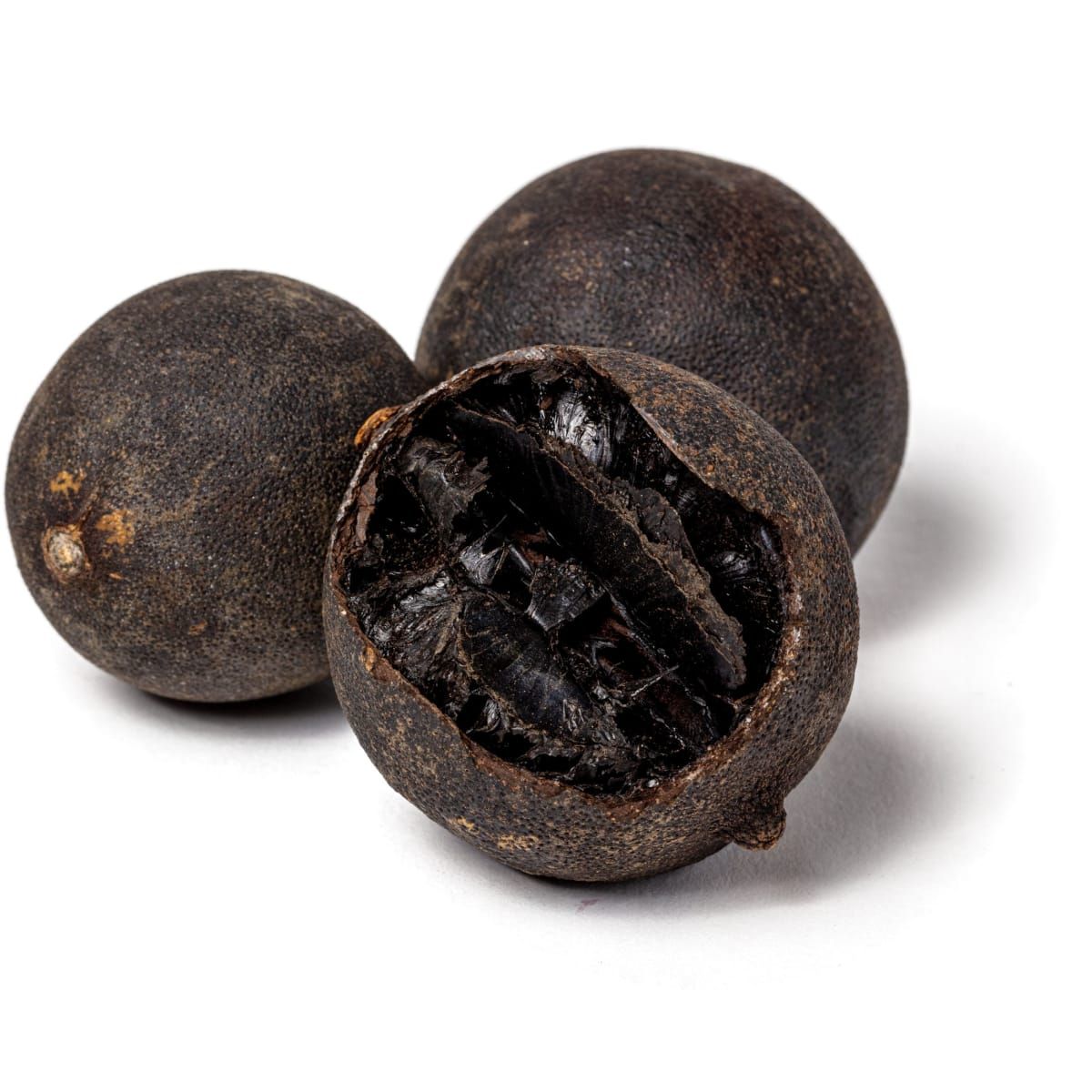
Dried Black Lemon
Known as loomi in Oman and noomi basra in Iraq, dried black limes bring a smoky sourness no fresh citrus can replicate. Here's what buyers should know.
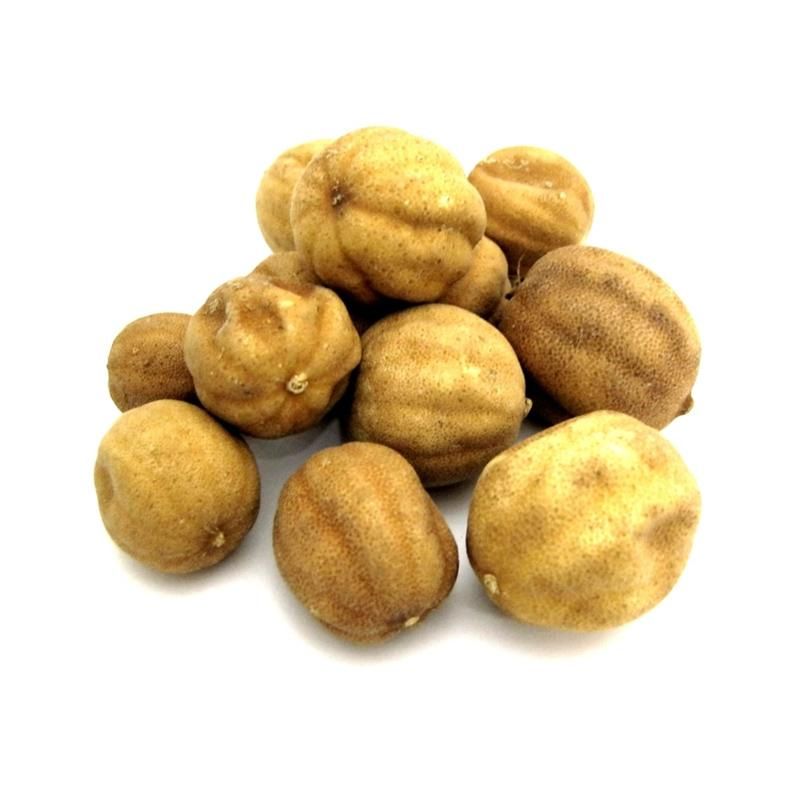
Dried Yellow Lemon
Fresh lemons don't travel or store the way dried ones do. Here's why buyers across the herb and spice trade rely on dried yellow lemon — and what to look for.
Dried Orange Peel
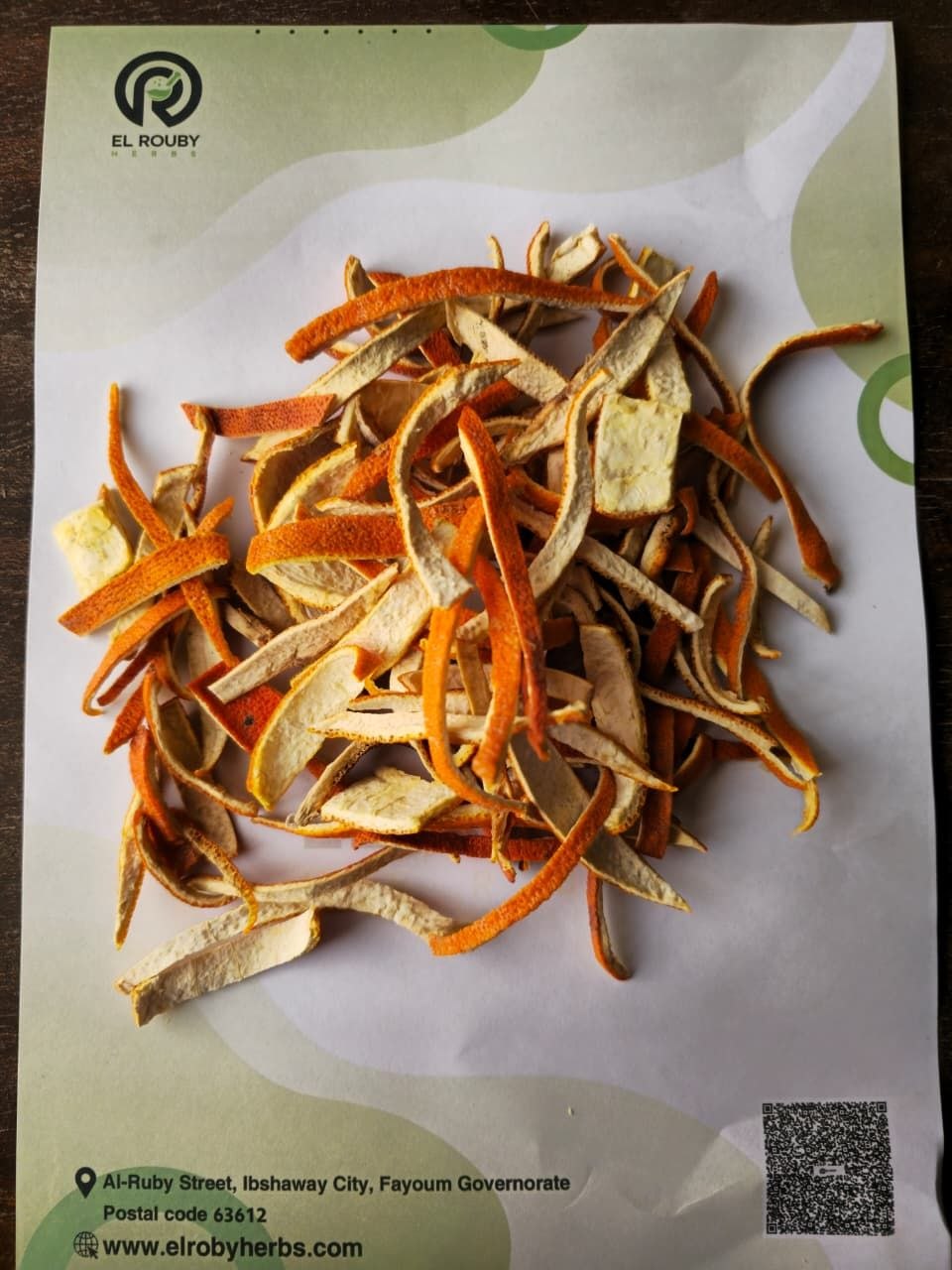
A byproduct of orange oil production that became a prized ingredient in its own right — here's what dried orange peel is used for, and what export buyers should check.
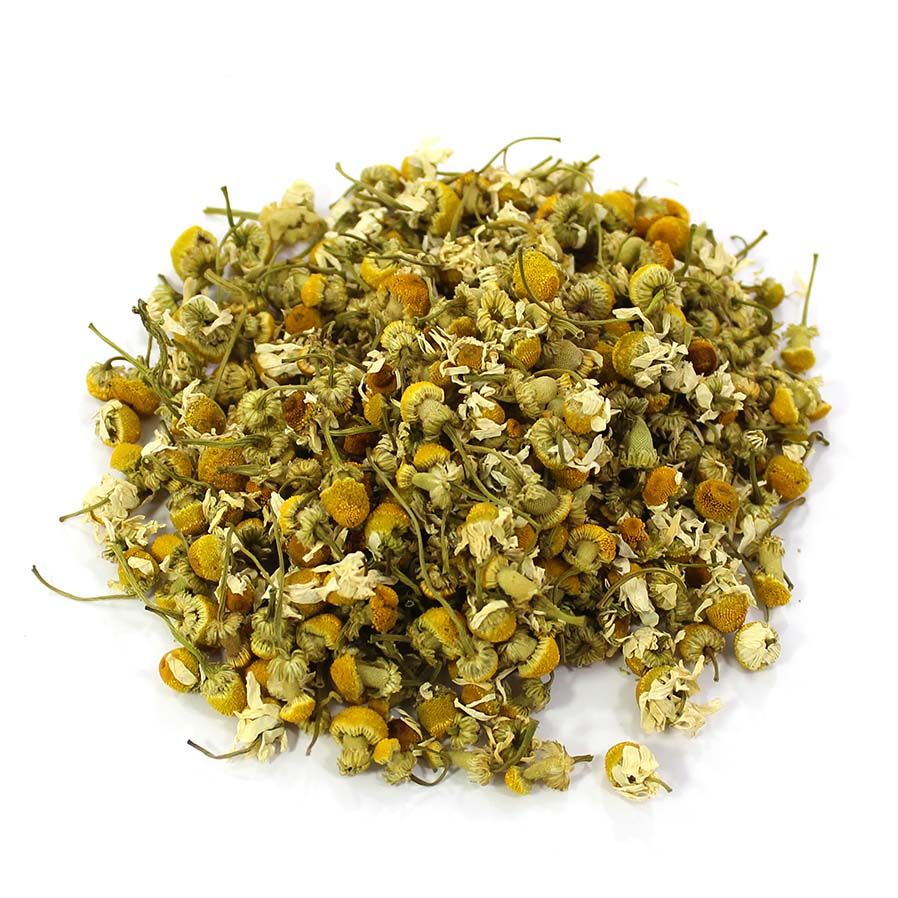
Benefits of Chamomile
Discover why Egyptian chamomile is prized worldwide — its traditional uses, key compounds, and what makes Fayoum-grown chamomile a premium export.
Egypt Herbs Export Guide
A practical guide to importing herbs and spices from Egypt — why Egypt is a top origin, required documentation, regulations, and how to choose a supplier.
Organic Herbs
What makes an herb genuinely organic, how certification works, and what buyers should check before trusting an 'organic' label on bulk herb orders.
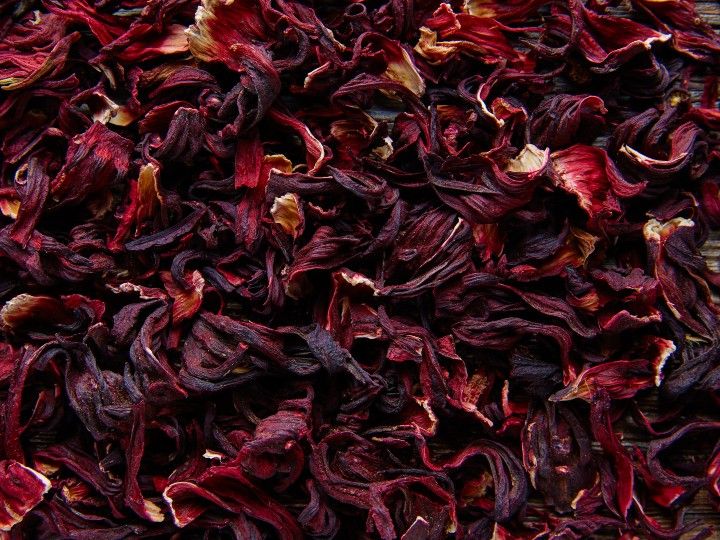
Hibiscus (Karkade)
Discover why Egyptian hibiscus — known locally as karkade — is prized worldwide for its deep red color, tart flavor, and centuries of tradition.
Natural Oils
From cold-pressed sesame and argan to steam-distilled lavender and peppermint, here's what separates carrier oils from essential oils — and what to look for when sourcing them in bulk.
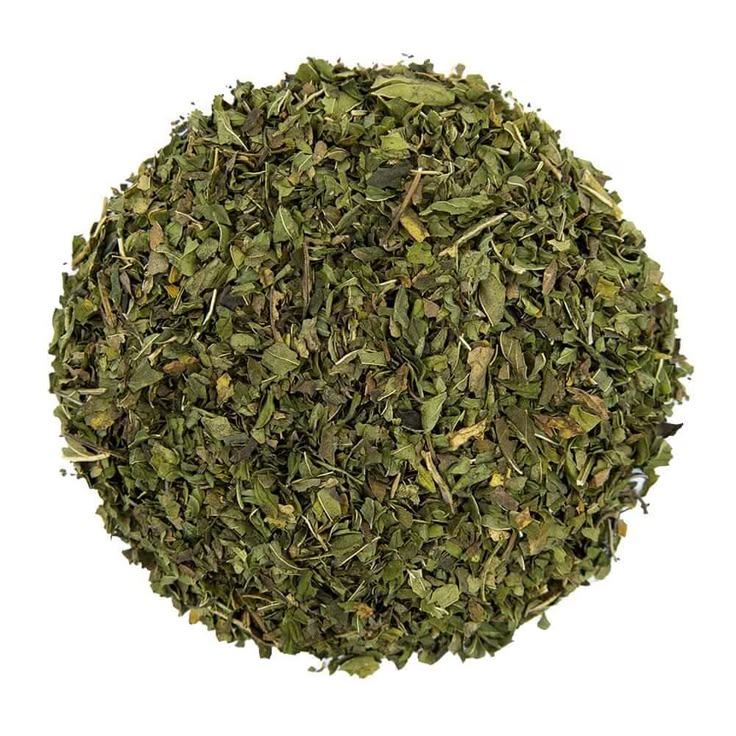
Peppermint
Discover what makes peppermint one of the world's most widely used herbs — its cooling menthol content, traditional uses, and what to look for in export-grade peppermint.
Bulk Herbs
Everything wholesale buyers need to know about sourcing bulk herbs — who buys in bulk, packaging formats, quality assurance, and storage considerations.
Medicinal Plants
Egypt's use of medicinal plants dates back to the Ebers Papyrus. Here's the history, the plants most commonly exported today, and how sourcing works.
Best Herbs in Egypt
From chamomile to hibiscus to fenugreek — an overview of the herbs Egypt is best known for growing, where they're grown, and what makes each one notable.
Export Process
From first sample request to final delivery — a step-by-step walkthrough of how a bulk herb export order actually moves through the process.
Quality Control
How quality control actually works in herb and spice export — testing stages, international standards, grading, and traceability buyers should expect.