Olive Leaves
Olive Leaves: The Mediterranean's Traditional Tea Beyond the Fruit
July 31, 2026 · 9 min read
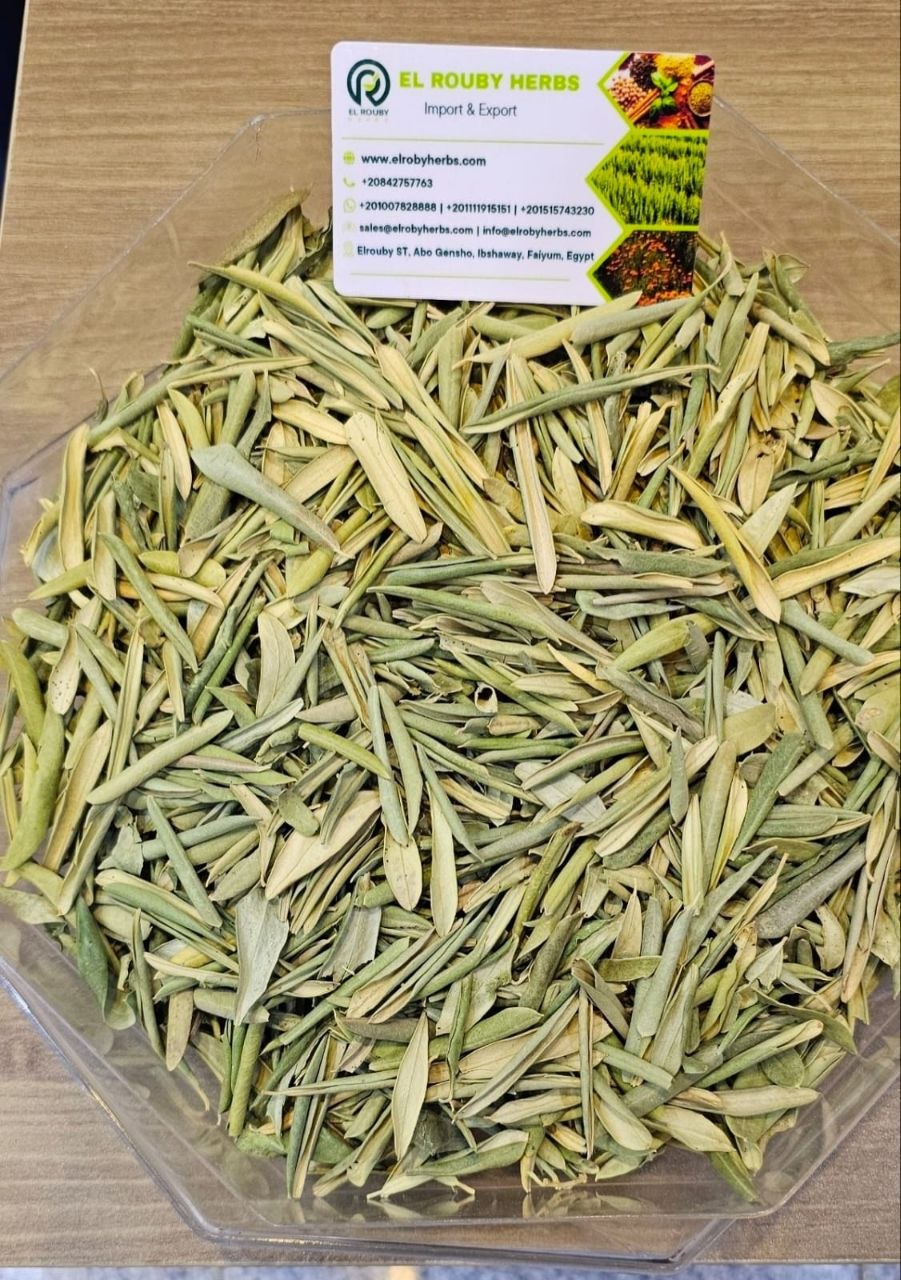
The olive tree gets most of its attention for its fruit and oil, but its leaves have their own long-standing place in Mediterranean tradition — brewed as tea, valued for their concentrated plant compounds, and increasingly exported as a standalone product in their own right. This guide covers what olive leaves actually contain, how they're used, and what buyers should know when sourcing them.
What Are Olive Leaves?
Olive leaves come from Olea europaea, the same evergreen Mediterranean tree that produces olives and olive oil. The leaves are narrow, silvery-green, and leathery, and — unlike the fruit, which is harvest-seasonal — can be gathered from the tree across a wider window, making leaf harvesting a somewhat more flexible complement to an olive grove's fruit production.
What's Inside Olive Leaves
Olive leaves are notably concentrated in natural polyphenols, particularly oleuropein and hydroxytyrosol, along with luteolin, rutin, caffeic acid, and catechin. Interestingly, the phenolic concentration in the leaves is substantially higher than in olive oil or the fruit itself, which is part of why the leaves have carved out demand as their own product rather than simply being a discarded byproduct of oil and fruit production.
Traditional Uses — and the Limits of the Evidence
Mediterranean cultures have brewed olive leaves as an herbal tea for generations, and traditional medicine in the region has employed them as a folk remedy for fever and, historically, malaria. It's worth being direct about where the evidence actually stands, though: formal clinical evidence supporting specific health claims for olive leaf remains limited, and regulatory bodies such as the European Food Safety Authority have found insufficient scientific evidence to support certain marketed claims, including glucose-management claims. Olive leaf is a traditional botanical with a long history of use, not a medical treatment, and nothing in this guide should be read as medical advice.
Forms: Whole Leaf, Powder, and Extract
Olive leaves reach buyers in a few different forms. Whole dried leaves are the most traditional format, suited to tea infusions and visually verifiable quality. Powdered leaf is used where a fine, easily dosed or blended ingredient is preferred — in food products or supplement formulation, for instance. Concentrated liquid or powder extracts represent a further processing step, used where a buyer needs a standardized, higher-potency polyphenol content rather than the raw leaf itself; these command a different price structure reflecting the added processing and yield reduction involved.
How Olive Leaves Are Processed for Export
Leaves are hand- or mechanically harvested, then dried — typically shade-dried or low-temperature dried to preserve color and the delicate phenolic compounds that heat can degrade — before being sorted to remove stems and damaged leaves and packed for shipment. Buyers focused on tea applications generally want whole or lightly broken leaves with good color retention, while buyers sourcing for extraction are more focused on polyphenol content than visual appearance.
Storage
Dried olive leaves should be stored in a cool, dry, dark place in airtight packaging, since light and heat both degrade the polyphenol content that gives the product its value over time. Properly stored, whole dried leaves retain good quality for around a year.
Olive Cultivation in Egyptian Agriculture
Egypt has a substantial and growing olive-growing sector, with cultivation concentrated in regions well-suited to the tree's preference for warm, dry conditions, including areas of the Western Desert and Sinai. This existing olive-growing infrastructure — established primarily for fruit and oil production — gives Egyptian exporters a practical, integrated supply chain for leaf products as well, since leaf harvesting can complement existing grove operations rather than requiring a separate agricultural setup.
Olive Leaf Tea vs. Other Herbal Infusions
Olive leaf tea has a milder, more herbaceous character than more assertively flavored infusions like hibiscus or peppermint, with a taste some describe as similar to green tea but without any caffeine content. This makes it a popular blending base for wellness-oriented tea companies who combine it with more strongly flavored botanicals to balance the profile, as well as a standalone product for consumers specifically seeking out olive leaf for its polyphenol content rather than its taste alone.
Comparing Olive Leaf Suppliers: What to Look For
Since polyphenol content is the primary value driver for olive leaf — whether for tea, powder, or extract applications — it's worth asking suppliers directly about drying method (shade- or low-temperature drying preserves more phenolic content than high-heat drying) and, for extract buyers specifically, requesting lab data on standardized oleuropein or polyphenol percentage rather than accepting "high potency" as an unverified claim.
Sourcing Considerations for Cosmetic and Supplement Buyers
Buyers formulating cosmetic or supplement products around olive leaf extract should be aware that regulatory requirements for health-related claims vary significantly by target market, and — as noted earlier — some marketed claims have not held up to formal regulatory review in major markets. A responsible approach is to source a well-documented, lab-tested extract with verified polyphenol content and let your own compliance team determine what claims, if any, can accompany the finished product in your specific jurisdiction, rather than relying on a supplier's marketing language as a substitute for that review.
How Olive Leaf Compares to Green Tea as a Polyphenol Source
Buyers evaluating natural polyphenol ingredients sometimes compare olive leaf directly to green tea extract, another popular polyphenol-rich botanical, though the two have distinct compound profiles — green tea is best known for catechins like EGCG, while olive leaf's signature compound is oleuropein, a structurally different polyphenol with its own separate research literature. They aren't interchangeable ingredients despite both being marketed in similar "natural antioxidant" contexts, and formulators should treat them as genuinely different raw materials with their own sourcing, testing, and labeling considerations rather than substitutes for one another.
Harvest Timing and Its Effect on Leaf Quality
Unlike the olive fruit harvest, which is tightly seasonal, leaves can technically be gathered from the tree across a much wider window — but polyphenol concentration in the leaves does vary somewhat by season and leaf age, with many producers favoring leaves gathered outside the most intense summer heat to better preserve compound content during the subsequent drying process. Buyers particularly focused on standardized extract potency may want to ask suppliers about harvest timing as part of their broader quality documentation request.
Documentation Buyers Should Expect for Export Shipments
International olive leaf buyers should expect standard export paperwork alongside product-specific quality testing: a certificate of origin, a phytosanitary certificate meeting the destination country's plant health requirements, a commercial invoice and packing list, and — for extract buyers especially — a certificate of analysis documenting polyphenol content. A supplier unable to produce this documentation promptly is worth treating cautiously, particularly for cosmetic or supplement buyers who will need this paperwork for their own regulatory compliance.
Sourcing Bulk Olive Leaves From Egypt
For buyers sourcing olive leaves, it's worth clarifying upfront whether you need whole leaf for tea, powder for formulation, or extract for standardized polyphenol content, since sourcing, pricing, and documentation requirements differ meaningfully across the three. Explore our current olive leaves offering, browse our full product catalog, or visit our contact page to request a quote or sample.
Related Pages
Frequently Asked Questions
What compounds make olive leaves valuable?
Primarily polyphenols including oleuropein and hydroxytyrosol, along with luteolin, rutin, caffeic acid, and catechin — present at notably higher concentrations in the leaves than in olive oil or the fruit itself.
Are olive leaves scientifically proven to treat health conditions?
Formal clinical evidence for specific health claims remains limited, and regulators like the European Food Safety Authority have found insufficient evidence for some marketed claims. Olive leaf has a long history of traditional use, but this isn't medical advice.
What's the difference between whole leaf, powder, and extract?
Whole dried leaf suits tea infusions and visual quality checks. Powder offers a finer, easily dosed ingredient for formulation. Extract is a concentrated, standardized form used where a specific polyphenol content matters more than raw leaf appearance.
How should dried olive leaves be stored?
In a cool, dry, dark place in airtight packaging. Light and heat both degrade the polyphenol content over time, so properly stored whole leaves retain good quality for around a year.
Is Egyptian olive leaf organic?
We offer both conventionally grown and certified organic olive leaves, depending on harvest and buyer requirements. Ask our team for current organic certification availability.
Can I request a sample before a bulk order?
Yes. We regularly send samples to prospective buyers for quality evaluation before committing to a full order.
What packaging options are available for bulk olive leaves?
We offer kraft bags, PP woven bags, and jute bags depending on order size and form (whole leaf vs. powder). See our packaging page for details.
Do olive leaves come from the same trees as olive oil production?
Yes, both come from Olea europaea. Leaf harvesting can complement existing grove operations set up primarily for fruit and oil, since leaves can be gathered across a wider window than the fruit harvest.
Why do olive leaves have more polyphenols than olive oil?
The leaf's phenolic concentration is naturally higher than in the pressed oil or fruit, which is part of why olive leaf has become a standalone product rather than simply a byproduct of oil production.
What should I ask suppliers about olive leaf quality?
Ask about harvest and drying method (shade- or low-temperature drying preserves more of the phenolic content than high-heat drying), leaf-to-stem ratio, and — for extract buyers — the specific polyphenol content backed by lab testing.
Is olive leaf the same as green tea extract?
No. Both are polyphenol-rich botanicals often marketed in similar antioxidant contexts, but they have distinct compound profiles — green tea is known for catechins like EGCG, while olive leaf's signature compound is oleuropein. They aren't interchangeable ingredients.
Does harvest timing affect olive leaf quality?
Polyphenol concentration can vary somewhat by season and leaf age, with many producers favoring leaves gathered outside the most intense summer heat to better preserve compound content through drying.