Oregano
Oregano: The Pizza Herb With Ancient Mediterranean Roots
July 31, 2026 · 9 min read
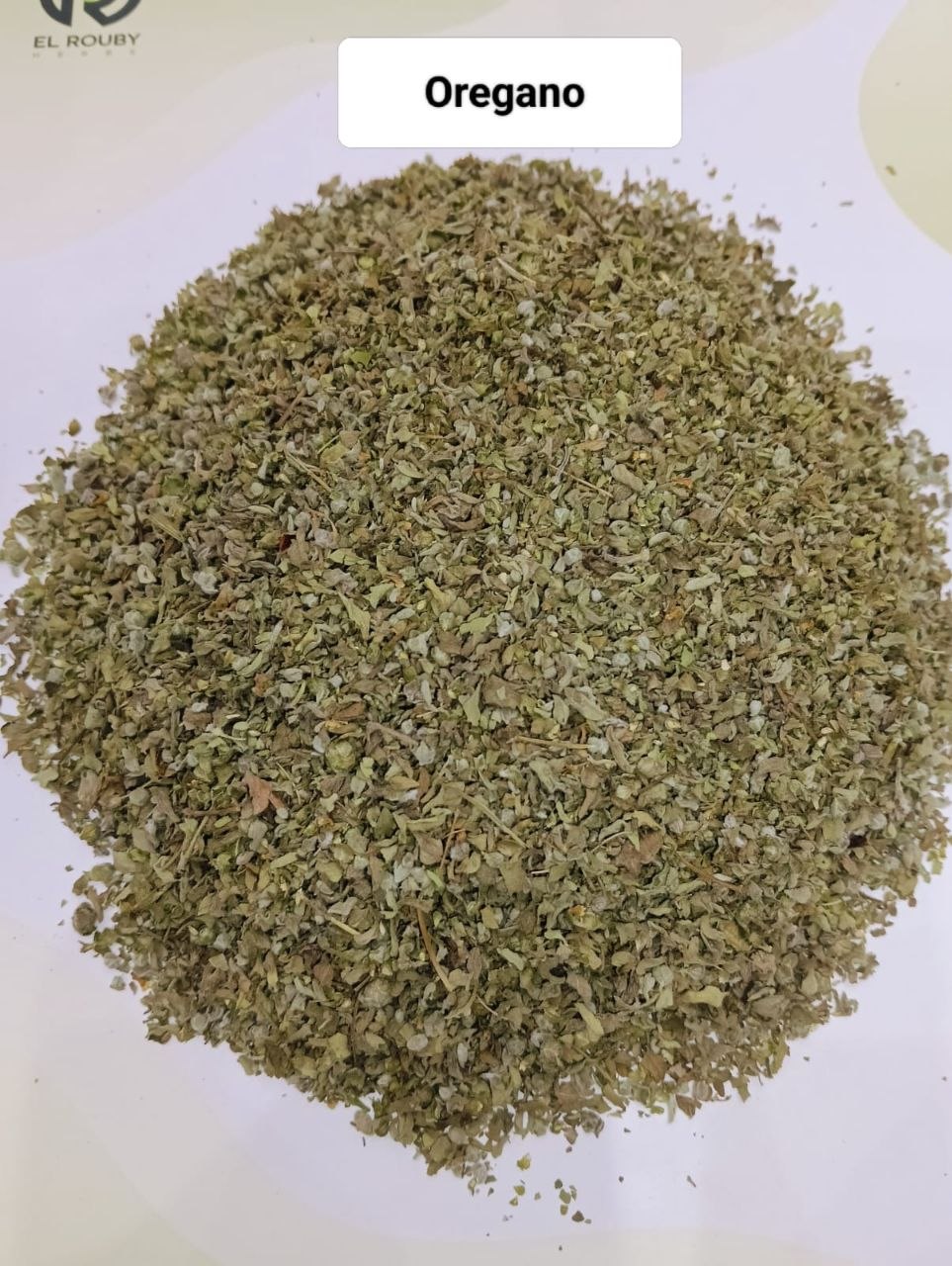
Oregano is so closely associated with pizza in much of the world that it's easy to forget the herb has a Mediterranean history going back far longer than pizza itself. This guide covers what oregano actually is, how it earned its "pizza herb" nickname, and what buyers should know when sourcing it from Egypt.
What Is Oregano?
Oregano (Origanum vulgare) is a perennial herb in the mint family (Lamiaceae), native to the Mediterranean region. Its flavor is earthy, warm, and slightly bitter, and — somewhat unusually for herbs — that flavor actually intensifies when the leaves are dried rather than fading, thanks to concentrated levels of aromatic compounds including carvacrol and thymol.
How Oregano Became "The Pizza Herb"
Oregano's association with pizza in the United States has a fairly specific historical root: it gained widespread American popularity after World War II, when returning soldiers who had developed a taste for it in Italy brought that preference home with them. Oregano itself, though, has been cultivated and used across the Mediterranean for far longer, with numerous subspecies and cultivars developed over time for varying flavor intensity and ornamental qualities.
Oregano Around the World
Beyond pizza, oregano is a defining herb in Italian, Greek, Spanish, and Latin American cooking, pairing especially well with roasted vegetables, grilled meats, fish, and tomato-based dishes. It's also a key ingredient in za'atar blends across the Middle East and in chimichurri, the Argentine herb sauce served with grilled meats — a genuinely global reach for a single Mediterranean herb.
Oregano, Za'atar, and Marjoram: Clearing Up the Confusion
Buyers new to Mediterranean and Middle Eastern botanicals sometimes mix up oregano, za'atar, and marjoram, and it's a fair mix-up to make — all three are aromatic members of related plant groups with overlapping culinary uses. We export all three as distinct products: standard oregano, wild Egyptian za'atar, and marjoram, a close botanical relative of oregano with a milder, sweeter flavor. Specifying exactly which one you need — and, ideally, requesting a sample — avoids costly mix-ups on a bulk order.
Cultivation
As a Mediterranean native, oregano handles Egypt's warm, dry growing conditions well, generally cultivated in spring through summer. Numerous cultivars exist with differing flavor intensity, and growers and exporters typically select cultivars suited to culinary export rather than the milder ornamental varieties sometimes grown for landscaping.
How Oregano Is Processed for Export
After harvest, oregano is dried — typically shade-dried or low-temperature dried to preserve its green color and aromatic oils — then stripped from stems, sifted to remove foreign material, and graded before packing. Buyers can request whole leaf or rubbed (lightly crushed) oregano depending on their end use.
Grading and Storage
Export-grade oregano is judged on leaf-to-stem ratio, color (a vibrant green over a dull brown indicates careful, low-heat drying), and aroma strength. Store dried oregano in a cool, dark, dry place in airtight packaging; properly stored, it retains good flavor for 1–2 years, with flavor intensity gradually fading well before the herb becomes unsafe to use.
Oregano's Role in Egyptian Agriculture
Oregano is grown in Egypt alongside other Mediterranean herbs suited to the country's warm, dry climate, often within the same farming regions and rotation cycles as thyme, marjoram, and za'atar. This shared growing infrastructure gives Egyptian exporters practical efficiencies — similar harvesting equipment, drying facilities, and export documentation processes can serve multiple related herb products, which helps keep pricing competitive for buyers sourcing several Mediterranean herbs from a single supplier.
Comparing Oregano Suppliers: What to Look For
Because oregano is traded globally at a wide range of price points and quality levels, it's worth comparing prospective suppliers on specifics: leaf-to-stem ratio guarantees, whether whole-leaf and rubbed formats are both available, lab testing for microbial load and pesticide residue, and harvest freshness. A supplier who can speak specifically to these points — rather than offering only a generic "premium quality" description — is generally more reliable for consistent bulk sourcing.
Oregano's Reputation Beyond the Kitchen
Oregano's carvacrol and thymol content have made it a subject of ongoing food-science interest as a natural preservative and antioxidant additive, alongside its long-standing culinary role. This is a genuinely active area of food research rather than settled consumer health advice, so buyers considering oregano extract for a functional or "clean label" preservative application should work from current, verified research and their own regulatory guidance rather than general claims about the dried herb, which is sold here purely as a culinary spice.
Mexican Oregano: A Different Plant, Same Name
Buyers should be aware that "Mexican oregano" typically refers to a botanically different plant — usually a species in the Lippia genus — that shares a similar flavor profile and culinary role to Mediterranean oregano but isn't the same species as Origanum vulgare. Our export product is standard Mediterranean oregano, and buyers specifically formulating for Latin American cuisine or seeking the Mexican variety's slightly different, more citrus-forward flavor profile should clarify this distinction upfront to avoid a mismatched order.
Oregano Oil vs. Dried Oregano Leaf
It's worth distinguishing between dried oregano leaf, the culinary spice covered in this guide, and oregano essential oil, a much more concentrated, distilled product used in different applications and at very different dosing. The two shouldn't be treated as interchangeable — oregano oil is significantly more potent and is generally used in drop quantities rather than the spoonful quantities typical of dried leaf in cooking. Buyers should specify clearly which product they need when requesting a quote, since sourcing, pricing, and safe handling differ substantially between the two.
Documentation Buyers Should Expect for Export Shipments
International oregano buyers should expect a standard package of export documentation: a certificate of origin, a phytosanitary certificate meeting the destination country's plant health requirements, a commercial invoice and packing list detailing exact grades and quantities, and organic certification paperwork where relevant. A supplier who can't produce this documentation promptly, or seems unfamiliar with a specific destination market's import rules, is worth treating cautiously before committing to a larger order.
Sourcing Bulk Oregano From Egypt
For buyers sourcing oregano at scale, ask suppliers about leaf-to-stem ratio, lab testing for microbial load and pesticide residue, and whether whole-leaf or rubbed format is available. Explore our current oregano offering, browse our full product catalog, or visit our contact page to request a quote or sample.
Related Pages
Frequently Asked Questions
Why does dried oregano taste stronger than fresh?
Oregano's flavor compounds, including carvacrol and thymol, become more concentrated as the leaves dry and lose water content, which is somewhat unusual compared to herbs that lose flavor intensity when dried.
What's the difference between oregano and za'atar?
Za'atar generally refers to a specific wild thyme variety and the spice blend built around it, while oregano is a related but distinct herb in the same mint family. We export both as separate products.
What's the difference between oregano and marjoram?
They're close botanical relatives, but marjoram has a milder, sweeter flavor compared to oregano's more assertive, slightly bitter profile. We offer both as separate products.
Why is oregano associated with pizza in the U.S.?
Oregano's popularity in the U.S. grew significantly after World War II, when returning soldiers who had acquired a taste for it in Italy brought that preference home.
How should dried oregano be stored?
In a cool, dark, dry place in airtight, food-grade packaging, ideally used within 1–2 years for the best flavor intensity.
Is Egyptian oregano organic?
We offer both conventionally grown and certified organic oregano, depending on harvest and buyer requirements. Ask our team for current organic certification availability.
Do you offer whole leaf or rubbed oregano?
We can supply both whole leaf and rubbed (lightly crushed) oregano depending on your end use — specify your preference when requesting a quote.
Can I request a sample before a bulk order?
Yes. We regularly send samples to prospective buyers for quality evaluation before committing to a full order.
What packaging options are available for bulk oregano?
We offer kraft bags, PP woven bags, and jute bags depending on order size. See our packaging page for details.
What should I look for in export-grade oregano?
A high leaf-to-stem ratio, vibrant green color (rather than dull brown, which suggests age or high-heat drying), and strong aroma. Ask suppliers directly rather than accepting 'premium' as a standalone claim.
Is Mexican oregano the same plant as Mediterranean oregano?
No — Mexican oregano typically refers to a different plant, usually in the Lippia genus, that shares a similar flavor role but isn't the same species as Origanum vulgare. Our export product is standard Mediterranean oregano.
What's the difference between oregano oil and dried oregano leaf?
Oregano oil is a much more concentrated, distilled product used in drop quantities, while dried leaf is the culinary spice used in spoonful quantities in cooking. They aren't interchangeable, and buyers should specify clearly which they need.