Dried Yellow Lemon
Dried Yellow Lemon: A Practical Guide to Citrus's Most Versatile Export Form
July 31, 2026 · 9 min read
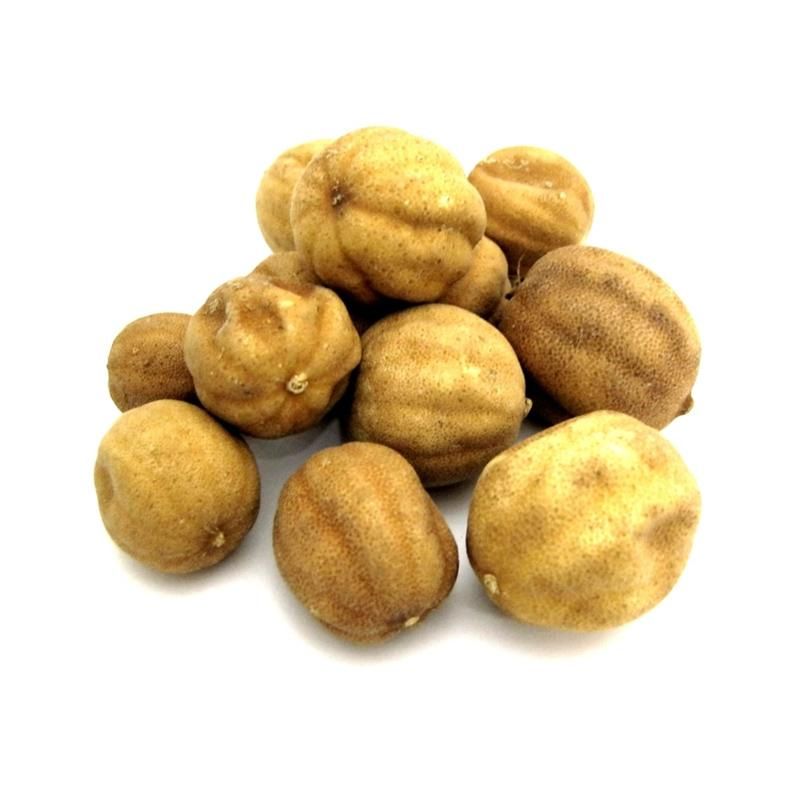
The lemon is one of the most widely used fruits in the world, but fresh lemons are perishable, bulky to ship, and require cold-chain logistics that dried products simply don't. This guide looks at what lemons actually are botanically, why drying them matters for trade, and what buyers should check when sourcing dried yellow lemon from Egypt.
What Is a Lemon, Botanically?
The lemon (Citrus × limon) is a hybrid citrus species in the Rutaceae family, believed to have originated from crossbreeding the citron and bitter orange. Botanically, the fruit is classified as a hesperidium — a modified berry with a tough, leathery rind, an aromatic outer zest layer rich in essential oils, a white spongy pith layer, and interior segments filled with juice vesicles and seeds.
A Long History
The lemon's exact origins remain somewhat uncertain, but evidence points to its emergence during the 1st millennium BC in what is now northeastern India. Its name traces an unusually long linguistic journey — the English word comes from Old French limon, itself derived through Italian limone from Arabic laymūn. The fruit reached Europe by no later than the second century AD, during the era of Ancient Rome, and cultivation flourished significantly during the Arab Agricultural Revolution between roughly 1000 and 1150 AD, with a 10th-century Arabic farming treatise documenting lemons as both ornamental and medicinal plants in Islamic gardens. From there, lemons reached Spain via Andalusia by the 12th century and expanded through European commerce starting in 15th-century Genoa, before Columbus carried lemon seeds to Hispaniola in 1493, establishing the fruit in the Americas.
What's Inside a Lemon
Lemons are notable for their citric acid content — lemon juice contains roughly 5–6% citric acid, meaningfully higher than most other common citrus fruits — along with a strong vitamin C content and a range of polyphenols, terpenes, and tannins that contribute to the fruit's distinctive chemical profile. Historically, this vitamin C content had real practical consequences: physician James Lind's 1747 scurvy experiments involved adding lemon juice to sailors' diets, a landmark moment in nutritional science that predated the formal identification of vitamin C itself by more than a century.
Why Dry Lemons at All?
Fresh lemons are perishable and require careful, often refrigerated handling to travel well, which adds real cost and complexity to export logistics. Drying converts a perishable fresh fruit into a stable, shelf-stable, easily transportable product that can be shipped without a cold chain, stored for extended periods, and used year-round regardless of fresh harvest seasonality — while also concentrating flavor in a way that suits certain culinary applications fresh lemon simply can't replicate.
Culinary Uses of Dried Lemon
Dried yellow lemon slices are widely used across Middle Eastern and Egyptian cooking, added to teas and infusions for a bright, tart citrus note, incorporated into marinades and spice blends, and used in baking where a fresh lemon's moisture would be impractical. It sits in a similar culinary space to preserved lemon — another shelf-stable citrus product popular in Mediterranean cooking — though the two are prepared quite differently: preserved lemon is salt-cured while retaining moisture, whereas dried lemon is fully dehydrated.
How Dried Yellow Lemon Is Processed for Export
Lemons are typically sliced before drying to speed the process and ensure even moisture removal, then sun-dried or forced-air dried, sorted to remove any damaged or discolored pieces, and packed. Buyers can generally specify slice thickness depending on their intended use, since thinner slices dry faster and rehydrate more quickly in tea applications, while thicker slices better retain their shape for garnish or visual appeal.
Storage
Dried lemon slices should be stored in a cool, dry place away from direct light in airtight, food-grade packaging. Properly stored, they remain usable for well over a year, though — as with most dried citrus — the brightest aroma and flavor is strongest in the first several months after drying.
Dried Lemon in Tea and Beverage Applications
Dried lemon slices are a common addition to both herbal and black tea blends, contributing a bright citrus note without the wateriness fresh lemon juice would introduce, and without the shelf-life concerns of fresh fruit in a packaged tea product. They're also popular in infused water and cold beverage applications, where a dried slice releases flavor gradually rather than all at once, making it well suited to products with a longer intended steeping or infusion time than fresh citrus would tolerate before turning bitter or degrading.
Comparing Dried Yellow Lemon Suppliers: What to Look For
Because dried lemon is traded at a range of price points and quality levels, it's worth comparing suppliers directly on drying method, slice consistency, and whether lab testing for moisture content and microbial load is standard practice. A supplier offering a meaningfully lower price than competitors is worth questioning on these specifics, since corners cut in drying or handling tend to show up as inconsistent color, texture, or shelf life.
Egypt's Position in the Global Lemon Trade
Egypt is a globally significant citrus producer and exporter, with a well-established growing and processing infrastructure that gives dried-lemon exporters practical advantages: reliable fresh-fruit supply for drying, established cold-chain and logistics networks for the wider citrus trade, and export documentation processes that are well understood by both growers and international buyers. This existing infrastructure, built primarily around fresh citrus export, extends naturally to value-added dried products like this one.
Dried Lemon vs. Dried Black Lime: Two Different Products
Buyers new to dried citrus sometimes assume dried yellow lemon and dried black lime are simply different colors of the same product, but they're prepared quite differently and taste noticeably different as a result. Dried yellow lemon is typically sliced before a shorter drying process, preserving a brighter, more recognizably "lemon" flavor with less transformation from the fresh fruit. Dried black lime undergoes a longer, more complete drying process on the whole fruit, developing the deeper, smokier, more fermented character covered in our separate guide to that product. Buyers should specify clearly which product they need, since substituting one for the other will noticeably change a finished dish or product.
Sun-Drying vs. Forced-Air Drying: Does It Matter?
Both sun-drying and forced-air (mechanical) drying are used commercially for citrus, and each has tradeoffs. Sun-drying is lower-cost and traditional but depends on weather conditions and takes longer, while forced-air drying offers more consistent, controllable results regardless of weather and can process larger volumes more predictably, though at a higher energy cost. Neither method is inherently superior for every buyer — it depends on whether consistency or traditional processing methods matter more for a given application — but it's a reasonable question to ask a supplier directly when evaluating quality claims.
Documentation Buyers Should Expect for Export Shipments
International buyers sourcing dried yellow lemon should expect a standard package of export documentation: a certificate of origin, a phytosanitary certificate meeting the destination country's plant health requirements, a commercial invoice and packing list detailing exact quantities and slice grade, and organic certification paperwork where relevant. A supplier who can't produce this documentation promptly is worth treating cautiously before committing to a larger order.
Sourcing Bulk Dried Yellow Lemon From Egypt
For buyers sourcing dried lemon at scale, ask suppliers about slice thickness options, drying method, and lab testing for moisture content and microbial load. Explore our current dried yellow lemon offering, browse our full product catalog, or visit our contact page to request a quote or sample.
Related Pages
Frequently Asked Questions
Why buy dried lemon instead of fresh?
Dried lemon is shelf-stable, doesn't require cold-chain shipping, stores for extended periods, and can be used year-round regardless of fresh harvest seasonality — all of which make it far more practical for export and bulk buying than fresh fruit.
What's the difference between dried lemon and preserved lemon?
They're prepared quite differently: preserved lemon is salt-cured and retains moisture, while dried lemon is fully dehydrated. Both are shelf-stable citrus products popular in Mediterranean and Middle Eastern cooking, but they're used somewhat differently.
Can I request specific slice thickness?
Yes. Thinner slices dry faster and rehydrate more quickly in tea applications, while thicker slices retain their shape better for garnish or visual use — specify your preference when requesting a quote.
How should dried lemon be stored?
In a cool, dry place away from direct light in airtight, food-grade packaging. It remains usable for well over a year, though flavor and aroma are strongest in the first several months after drying.
Is Egyptian dried lemon organic?
We offer both conventionally grown and certified organic dried lemon, depending on harvest and buyer requirements. Ask our team for current organic certification availability.
How much citric acid is in lemon?
Lemon juice contains roughly 5–6% citric acid, notably higher than most other common citrus fruits, which contributes to its strong tartness and culinary versatility.
Can I request a sample before a bulk order?
Yes. We regularly send samples to prospective buyers for quality evaluation before committing to a full order.
What packaging options are available for bulk dried lemon?
We offer kraft bags, PP woven bags, and jute bags depending on order size. See our packaging page for details.
Where did lemons originally come from?
Evidence points to origins in what is now northeastern India during the 1st millennium BC, with the fruit later spreading through the Middle East, into Europe by the 2nd century AD, and to the Americas following Columbus's 1493 voyage.
Is there a historical link between lemons and preventing scurvy?
Yes — physician James Lind's 1747 experiments used lemon juice in sailors' diets to treat scurvy, a landmark moment in nutritional science, though this reflects historical context rather than a present-day medical claim about our product.
Is dried yellow lemon the same as dried black lime?
No. Dried yellow lemon is sliced and dried for a shorter period, preserving a brighter, more recognizably 'lemon' flavor, while dried black lime undergoes a longer drying process that develops a deeper, smokier, more fermented character. They aren't interchangeable in a recipe.
Does the drying method matter for dried lemon quality?
Both sun-drying and forced-air drying are used commercially. Sun-drying is traditional but weather-dependent and slower, while forced-air drying offers more consistent results at higher energy cost. Ask your supplier which method they use.