Dried Orange Peel
Dried Orange Peel: From Marmalade Kitchens to Natural Flavor Houses
July 31, 2026 · 8 min read
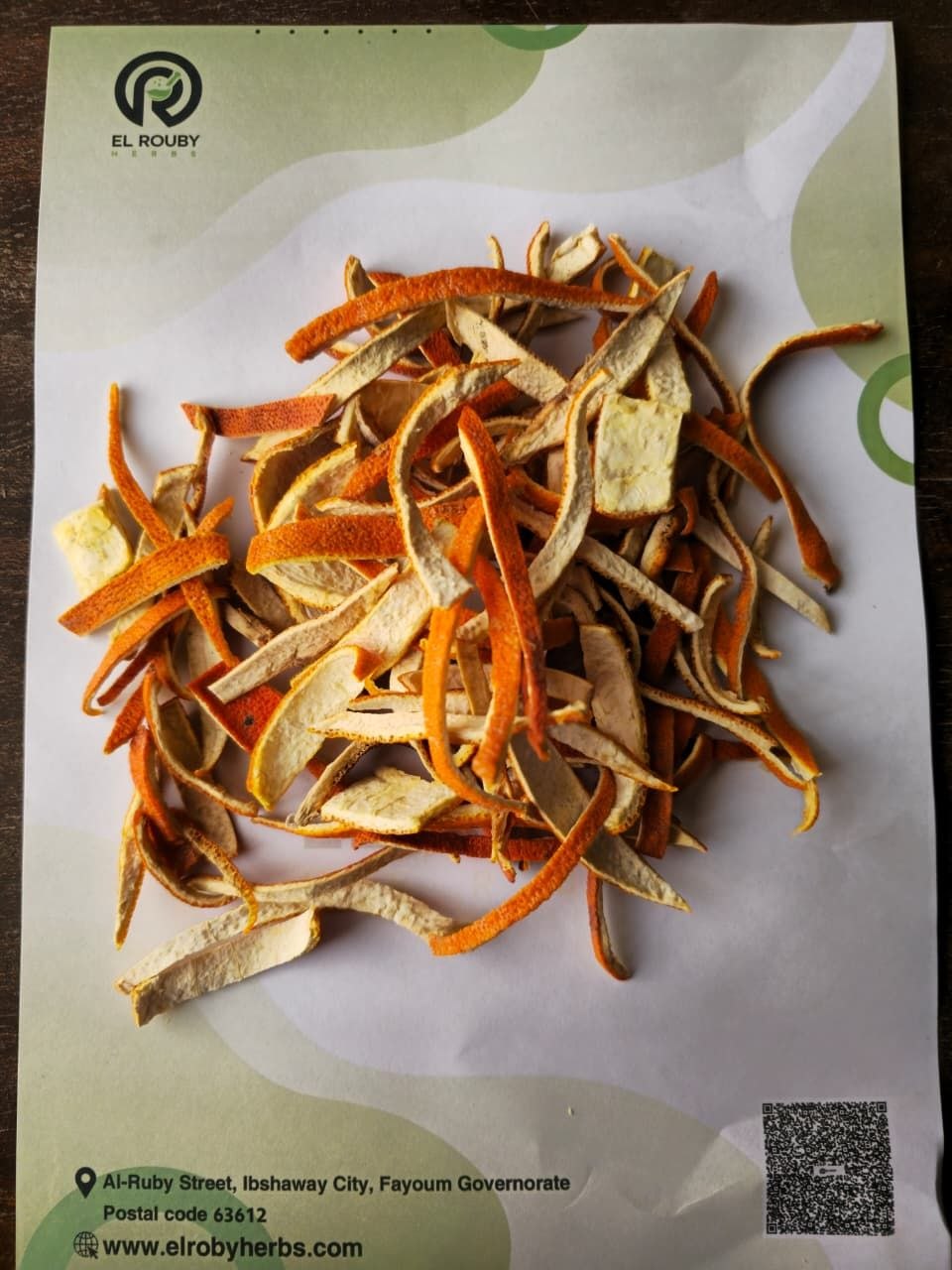
Dried orange peel occupies an interesting spot in the spice trade — it's simultaneously a traditional marmalade ingredient, a natural flavoring for food manufacturers, and closely tied to orange essential oil production. This guide covers what it actually is, how the two products relate, and what buyers should know when sourcing it.
What Is Dried Orange Peel?
Dried orange peel is the outer, colored rind (zest) of the orange fruit, separated from the white pith and fruit flesh, then dried for storage and shipping. It's a concentrated source of the fruit's aromatic compounds, since most of an orange's essential oil content sits in the peel rather than the flesh.
What's Inside Orange Peel
Orange peel contains a mix of aromatic and bitter compounds, most notably limonene and naringin, alongside a range of other volatile aromatic compounds responsible for its characteristic citrus scent. These same compounds are why dried peel adds real flavor complexity to a dish rather than simply a mild orange note — the bitterness is a genuine, intentional part of its culinary character, not a flaw.
From Peel to Oil: A Connected Product
Dried orange peel and sweet orange oil are closely related products from the same starting material. Orange oil, pressed from the peel, consists of roughly 90% D-limonene and is widely used in food flavoring, perfumery, and aromatherapy — though it's worth noting the oil is irritating to skin in concentrated form and toxic to aquatic life, so it's handled differently than the dried peel itself, which is a direct food ingredient. In many cases, dried peel is essentially a co-product of orange processing rather than a mere byproduct, valued in its own right by buyers who want the peel's textural and flavor contribution rather than an extracted oil.
Culinary Uses
Dried orange peel's best-known culinary role is in marmalade, where traditional preparation involves cutting up the entire fruit and boiling it with sugar — the pith contributes pectin that helps the marmalade set, while pieces of peel (historically dried peel in particular) contribute the preserve's distinctively bitter counterpoint to the sugar. Beyond marmalade, dried peel is used in baking, teas, spice blends, and by natural flavor manufacturers looking for a genuine citrus ingredient rather than a synthetic flavoring compound.
Grading and Forms
Dried orange peel is available in a few different forms depending on buyer needs: whole dried strips (favored for visual appeal in preserves and some retail applications), cut-and-sifted pieces (more practical for bulk handling and faster infusion in teas), and powdered peel (used in baking and by manufacturers blending it into other formulations). Quality is judged on color vibrancy, aroma strength, and the absence of white pith material, since excess pith adds unwanted bitterness beyond the peel's natural profile and can affect texture.
How Orange Peel Is Processed for Export
After the zest is separated from the pith and fruit flesh, peel is dried — sun-dried or using forced-air drying equipment — then sorted to remove any remaining pith or fruit residue, cut or left whole depending on the target form, and packed. Lab testing for moisture content and microbial load is standard practice before export packing.
Storage
Dried orange peel should be stored in a cool, dry, dark place in airtight, food-grade packaging. Whole strips generally hold their aroma longer than cut or powdered peel, since a larger surface-area-to-volume ratio in smaller pieces accelerates the loss of volatile aromatic compounds.
Orange Peel in Modern Food Manufacturing
Beyond traditional marmalade and home baking, dried orange peel has found steady demand from natural flavor houses and food manufacturers looking for genuine citrus ingredients rather than synthetic flavoring compounds, particularly as consumer preference has shifted toward labels listing recognizable, natural ingredients. It's used in everything from craft beverages and baked goods to spice blends and confections, where its combination of aroma and natural bitterness provides a flavor complexity that a synthetic "orange flavor" additive typically can't fully replicate.
Comparing Dried Orange Peel Suppliers: What to Look For
Since orange peel quality depends heavily on how carefully the pith was separated during processing and how the peel was dried, it's worth asking prospective suppliers directly about their separation and drying methods rather than judging on appearance alone. Requesting a sample lets you verify aroma strength and confirm the absence of excess pith bitterness before committing to a bulk order.
A Byproduct That Became a Product in Its Own Right
Dried orange peel's commercial story is a useful example of a "byproduct" earning genuine standalone demand rather than staying an afterthought of juice or oil production. As citrus processing scaled up globally to meet juice and oil demand, the sheer volume of peel generated as a co-product created an opportunity: rather than treating it purely as waste or low-value material, exporters and manufacturers recognized dried peel's distinct culinary and flavoring value, and it now commands its own dedicated market with buyers who specifically want the peel itself rather than an extracted oil.
Bitter Orange vs. Sweet Orange Peel
Most dried orange peel on the market — including our own — comes from sweet orange (Citrus sinensis), but bitter orange (Citrus aurantium) peel is also traded separately, particularly for traditional medicine markets and certain liqueur and flavoring applications where its more intensely bitter profile is specifically desired. Buyers should confirm which type they're being quoted, since sweet and bitter orange peel serve different culinary purposes and generally aren't interchangeable in a recipe or formulation developed around one or the other.
Orange Peel in Traditional and Regional Cuisine
Beyond marmalade, dried orange peel has a place in a range of regional culinary traditions — candied peel is a classic confection in several European baking traditions, dried peel appears in some Chinese five-spice-adjacent blends and braising liquids, and it's used in North African and Middle Eastern cooking for both sweet and savory applications, sometimes alongside other dried citrus like the black and yellow lemon covered in our other guides. This breadth of use across genuinely distinct culinary traditions is part of what supports steady, geographically diversified export demand for the product.
Documentation Buyers Should Expect for Export Shipments
International buyers sourcing dried orange peel should expect standard export paperwork: a certificate of origin, a phytosanitary certificate meeting the destination country's plant health requirements, a commercial invoice and packing list detailing exact quantities and form (whole, cut, or powder), and organic certification documentation where relevant. A supplier who can't produce this documentation promptly is worth treating cautiously before committing to a larger order.
Sourcing Bulk Dried Orange Peel From Egypt
For buyers sourcing dried orange peel, it's worth specifying whether you need whole strips, cut-and-sifted material, or powder, since pricing, shelf life, and suited applications differ across the three. Explore our current dried orange peel offering, browse our full product catalog, or visit our contact page to request a quote or sample.
Related Pages
Frequently Asked Questions
What's the difference between dried orange peel and orange oil?
Both come from the same peel, but orange oil is pressed and consists mostly of D-limonene, used in flavoring, perfumery, and aromatherapy. Dried peel is the whole rind material itself, used directly as a food ingredient.
Why is orange peel bitter?
Naturally occurring compounds including limonene and naringin give orange peel its characteristic aroma and intentional bitterness, which is a genuine part of its culinary character rather than a defect.
What forms of dried orange peel are available?
Whole dried strips, cut-and-sifted pieces, and powder. Whole strips suit visual applications and hold aroma longest; cut and powdered forms are more practical for bulk handling, teas, and formulation.
How is dried orange peel used in marmalade?
Traditional marmalade involves boiling the whole fruit with sugar; the pith contributes pectin for setting, while the peel — historically including dried peel — contributes the preserve's distinctive bitter counterpoint.
How should dried orange peel be stored?
In a cool, dry, dark place in airtight, food-grade packaging. Whole strips hold their aroma longer than cut or powdered peel due to their smaller surface-area-to-volume ratio.
Is Egyptian orange peel organic?
We offer both conventionally grown and certified organic dried orange peel, depending on harvest and buyer requirements. Ask our team for current organic certification availability.
Can I request a sample before a bulk order?
Yes. We regularly send samples to prospective buyers for quality evaluation before committing to a full order.
What packaging options are available for bulk dried orange peel?
We offer kraft bags, PP woven bags, and jute bags depending on order size and form. See our packaging page for details.
What should I check for quality in dried orange peel?
Color vibrancy, strong aroma, and minimal white pith material — excess pith adds unwanted bitterness beyond the peel's natural profile and can affect texture.
Is orange oil safe to use the same way as dried peel?
No — orange oil is a concentrated extract that can irritate skin and is toxic to aquatic life in concentrated form, so it's handled quite differently from dried peel, which is used directly as a food ingredient.
Is your dried orange peel from sweet or bitter orange?
Our dried orange peel comes from sweet orange (Citrus sinensis). Bitter orange (Citrus aurantium) peel is a separate, more intensely bitter product traded for different applications — confirm which type you need when requesting a quote.
What other cuisines use dried orange peel besides marmalade?
Candied peel appears in several European baking traditions, dried peel shows up in some Chinese five-spice-adjacent blends and braising liquids, and it's used in North African and Middle Eastern cooking for both sweet and savory dishes.