Hibiscus (Karkade)
The Benefits of Hibiscus (Karkade): A Complete Guide to Egypt's Ruby-Red Herbal Tea
July 23, 2026 · 10 min read
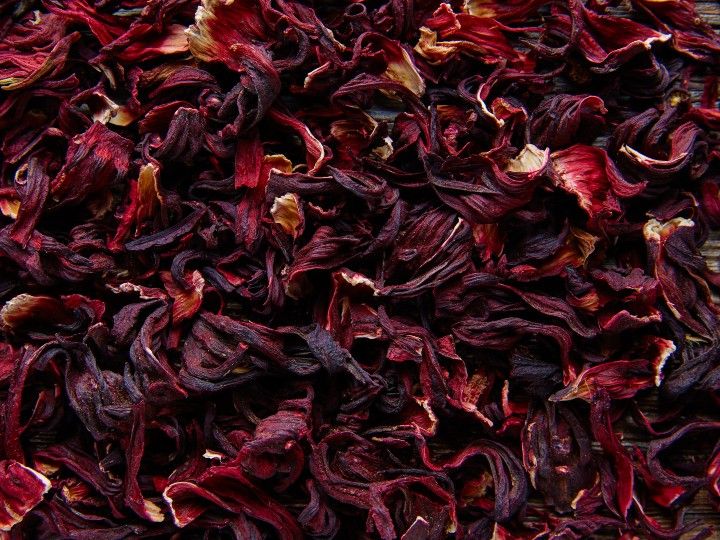
Few herbal infusions are as instantly recognizable as hibiscus — a deep ruby-red drink with a tart, cranberry-like flavor that's served hot in Cairo and iced across the Americas under a dozen different names. In Egypt, it's known as karkade, and it carries cultural weight well beyond its taste: Upper Egypt has grown it for generations, and it remains a fixture at celebrations across the region. In this guide, we look at what hibiscus actually is, why Egyptian karkade is so highly regarded, and what separates good export-grade hibiscus from the rest.
What Is Hibiscus (Karkade)?
The hibiscus used for tea comes from roselle (Hibiscus sabdariffa), an annual or perennial subshrub in the mallow family (Malvaceae) that can grow over two meters tall. The part used for tea isn't a flower petal at all — it's the calyx, the fleshy, deep crimson structure that swells around the plant's seed pod as it matures. Once harvested, these calyces are separated from the seed capsule and dried, becoming the dark red, slightly leathery pieces recognizable in bulk hibiscus and retail tea blends.
Globally, China and Thailand are the largest producers by volume, but Sudan, Egypt, Nigeria, Mexico, and several other countries all export meaningful quantities, each with its own reputation for color intensity, tartness, and calyx size.
Traditional and Cultural Uses of Hibiscus
In Egypt and Sudan, hibiscus tea has a genuinely ceremonial role — wedding celebrations are traditionally toasted with a glass of karkade rather than (or alongside) other drinks, and it's often served to guests as a gesture of hospitality. Some accounts trace its use back to ancient Egypt, where it was valued as a restorative drink, sometimes referred to informally as the "tea of the pharaohs." Beyond Egypt, the same plant appears under different names and traditions across the world — bissap in West Africa, sorrel in Jamaica, agua de Jamaica in Mexico — each with its own preparation style, from spiced and sweetened to served plain.
As with any herbal ingredient, it's worth being direct about the limits of this: hibiscus is a food-grade botanical with a long history of traditional and ceremonial use, not a medical treatment, and nothing here should be read as medical advice. Hibiscus has been the subject of scientific research into cardiovascular health, but findings are preliminary and mixed, and anyone taking blood pressure medication or with an existing health condition should speak with a qualified healthcare provider before making hibiscus tea a regular part of their diet.
What's Inside Hibiscus Calyces
Hibiscus calyces owe their deep red color to anthocyanins, a class of pigmented plant compounds also found in foods like blueberries and red cabbage. Alongside anthocyanins, dried calyces contain organic acids (which contribute the characteristic tartness), polysaccharides, and various flavonoids. This combination of color and acidity is part of why hibiscus is valued not just as a drink on its own, but as a natural coloring and flavoring ingredient in other food and beverage products.
Why Egyptian Hibiscus Is Different
Upper Egypt — particularly the areas around Luxor and Aswan — has a long-standing reputation as a premium hibiscus growing region, alongside neighboring Sudan. A few factors set well-grown Egyptian karkade apart:
- Climate: the hot, dry conditions of Upper Egypt suit roselle cultivation well and support consistent calyx development through the growing season.
- Calyx size and color: buyers and graders pay close attention to calyx size and depth of red color, both of which are influenced by growing conditions and harvest timing.
- Manual harvesting: calyces are typically hand-picked once mature, which allows selective harvesting of the best material rather than a single mechanized pass that mixes quality levels together.
These factors, combined with decades of export experience, are part of why Egyptian karkade holds a solid reputation among hibiscus buyers alongside Sudanese and West African origins.
How Hibiscus Is Processed for Export
After the roselle plant's fruit matures — a process that takes roughly six months from planting — the fleshy red calyces are harvested and separated from the seed capsule inside. From there, calyces are dried, either by sun-drying on clean, raised surfaces or using forced-air drying equipment, to bring moisture down to a level that prevents mould during storage and shipping. Dried calyces are then sifted to remove stems, dust, and any seed fragments left from separation, graded by size and color, and lab-tested for moisture, pesticide residue, and microbial load before packing.
From there, hibiscus is packed either as whole dried calyces (favored by buyers who want visual appeal and a slower, fuller infusion) or cut-and-sifted into smaller pieces for faster extraction, more efficient packing density, and use as an ingredient in blends. See our packaging options for the formats we offer.
Whole Calyces vs. Cut-and-Sifted Hibiscus
Buyers generally fall into two categories. Beverage brands and buyers who want a visually striking, slow-brewing infusion typically request whole or large-cut calyces. Food manufacturers, extract producers, and blenders — who value efficient extraction and consistent particle size for automated filling — more often specify cut-and-sifted material. Both start from the same raw calyx; the difference comes down to how far the cutting and sifting process goes before packing.
Storing Hibiscus for Maximum Freshness
Dried hibiscus is sensitive to light, heat, and humidity, all of which fade its color and dull its tartness over time. For the longest shelf life:
- Store in a cool, dry place away from direct sunlight.
- Keep in airtight, food-grade packaging until ready for use.
- Avoid repeated opening and closing of bulk bags, which introduces humidity.
- Use within 12–18 months of harvest for the deepest color and strongest flavor, though well-stored hibiscus remains usable well beyond that.
Hibiscus Extract and Concentrate vs. Dried Calyces
Beyond whole and cut dried calyces, hibiscus also reaches buyers as a liquid extract or powdered concentrate, produced by steeping or processing large quantities of dried calyces down into a concentrated form used in beverage manufacturing, natural food coloring, and flavor houses. This concentrated form commands a different price structure than the raw dried herb, since it represents significant added processing and a meaningful yield reduction from raw material to finished concentrate. Buyers should be clear about which form — whole calyx, cut-and-sifted, or extract/concentrate — they actually need before requesting quotes, since sourcing, pricing, and documentation requirements differ across the three.
Common Hibiscus Grades Explained
Dried hibiscus is graded primarily on calyx size, color depth, and the proportion of whole versus broken material. A premium export grade typically specifies large, deep-red whole calyces with minimal stem or seed-capsule fragments, strong natural tartness, and moisture content controlled to prevent spoilage. Lower grades, with smaller or more broken calyces and lighter color, are generally sold at a discount and are often destined for extraction or blending, where visual whole-calyx appearance matters less than color yield and flavor contribution. As with any graded botanical, it's worth asking suppliers for the specific grading criteria behind a quoted price, since "premium" on its own is not a standardized term.
Hibiscus Beyond Tea: Other Uses Worth Knowing
While tea is hibiscus's best-known use, dried calyces and their extracts show up across a surprisingly wide range of products: natural red food coloring (as a plant-based alternative to synthetic dyes), jams and preserves in several culinary traditions, cordials and syrups, and even fiber applications, since the related plant stalks have historically been used as a jute substitute in some producing regions. For exporters and buyers, this range of downstream demand helps explain why hibiscus has remained commercially resilient even as trends within any single end-use category shift over time.
Hibiscus's Role in Egyptian Agriculture
Hibiscus cultivation is an important cash crop for farming communities in Upper Egypt, where the hot, dry climate that makes the region historically significant for agriculture also happens to suit roselle particularly well. Because harvesting is still substantially manual — calyces mature at slightly different times even within the same field, so selective hand-picking produces better quality than a single mechanized pass — hibiscus production supports meaningful seasonal agricultural employment during the harvest window, much like other hand-harvested Egyptian botanicals.
Sourcing Bulk Hibiscus from Egypt
For importers and formulators looking to source hibiscus directly from origin, working with an established exporter matters as much as the product itself — it affects consistency, documentation, and how quickly problems get resolved if they arise. Look for suppliers who can provide lab test results, phytosanitary certificates, and consistent grading from shipment to shipment. It's also worth asking how a supplier handles year-to-year harvest variability, since calyx size and color can shift with growing conditions, and a transparent supplier will tell you honestly if a given season's crop differs from the previous year's rather than blending inconsistent lots to mask the difference.
Explore our current hibiscus offering or browse our full herb and spice catalog to see what else we export alongside hibiscus. If you are placing a bulk order, our contact page is the fastest way to reach our export team for a quote.
Comparing Hibiscus Suppliers: What to Look For
Because hibiscus is traded globally at a range of price points, buyers often receive quotes from multiple exporters that look similar on paper but differ substantially in what's actually being delivered. Worth comparing explicitly: the specific whole-calyx percentage and color grade guaranteed (not just described as "premium"), whether a certificate of analysis is provided as standard or only on request, harvest freshness (hibiscus from the most recent harvest generally has deeper color and stronger tartness than older carryover stock sold at a discount), and packaging quality suited to a product that's sensitive to humidity and light. Asking each prospective supplier the same set of specific questions makes quotes genuinely comparable, rather than comparing price alone.
Related Pages
Frequently Asked Questions
Is Egyptian hibiscus (karkade) organic?
We offer both conventionally grown and certified organic hibiscus, depending on the harvest and buyer requirements. Ask our team for current organic certification availability.
What is the shelf life of dried hibiscus calyces?
Properly dried and stored hibiscus typically retains strong color and tartness for 12–18 months, and remains usable for longer if kept in airtight, cool, dark storage.
Does hibiscus tea contain caffeine?
No, hibiscus is naturally caffeine-free, which is part of why it's popular both as a warm evening drink in Egypt and as an iced beverage elsewhere.
What's the difference between whole and cut-and-sifted hibiscus?
Whole calyces are favored for visual appeal and a slower, fuller infusion, while cut-and-sifted material extracts faster and packs more efficiently — commonly used in blends and by manufacturers doing further processing.
Can I request a sample before placing a bulk order?
Yes. We regularly send samples to prospective buyers for quality evaluation before committing to a full order. Reach out through our contact page to request one.
What packaging options are available for bulk hibiscus?
We offer jute bags, PP woven bags, and kraft bags depending on order size and intended use. See our packaging page for details.
What gives hibiscus its red color?
The color comes from anthocyanins, the same class of pigmented plant compounds found in foods like blueberries and red cabbage, concentrated in the plant's calyces.
Is hibiscus extract different from dried calyces?
Yes. Extract or concentrate is produced by processing dried calyces into a concentrated liquid or powder form used in beverage manufacturing and natural food coloring, and it's priced differently than the raw dried herb due to the added processing and yield reduction involved.
Where does Egypt's hibiscus mainly come from?
Upper Egypt, particularly the areas around Luxor and Aswan, has a long-standing reputation as a premium hibiscus growing region within Egypt.
Why does hibiscus quality vary between harvest years?
Like any agricultural crop, hibiscus calyx size and color depth are affected by weather and growing conditions each season. A transparent supplier will communicate year-to-year variation rather than blending inconsistent lots to hide it.
Is hibiscus tea safe to drink daily?
Hibiscus is a food-grade botanical with a long history of traditional use, but this isn't medical advice. Anyone taking blood pressure medication or managing an existing health condition should speak with a qualified healthcare provider before making it a regular daily habit.