Dried Black Lemon
Dried Black Lime: The Smoky Souring Agent Behind Persian and Iraqi Cooking
July 31, 2026 · 8 min read
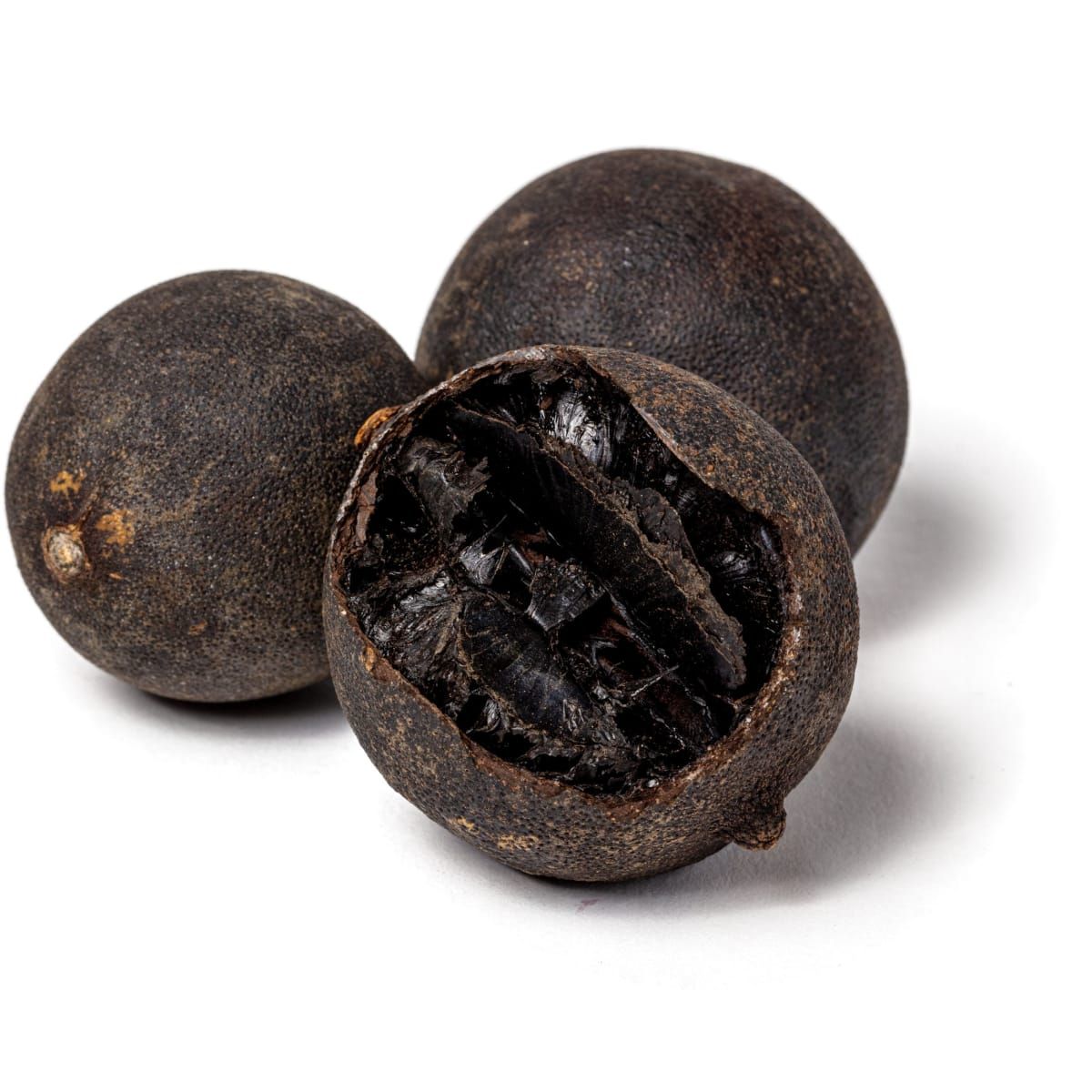
Dried black lime — sold in our catalog as dried black lemon, reflecting the common regional English name for the same product — is one of those ingredients that looks unassuming in a spice bin but transforms a dish the moment it's added. Sour, smoky, and slightly bitter in a way no fresh citrus can replicate, it's a foundational ingredient across Persian Gulf and wider Middle Eastern cooking. This guide covers what it actually is and what buyers should know when sourcing it.
What Is a Dried Black Lime?
A dried black lime is a whole lime that has been dried until it loses essentially all of its water content, typically spending the majority of the drying process in the sun. The result is a hard, dark brown-to-black, hollow fruit that keeps almost indefinitely and delivers a completely different flavor from the fresh citrus it started as.
Regional Names Worth Knowing
The product originates from the Persian Gulf region and carries distinct names depending on where you're sourcing or selling. It's known as limoo amani in Iran, noomi basra — literally "lemon from Basra" — in Iraq, and loomi in Oman. In much of Egypt and the wider Arabic-speaking export trade, it's referred to simply as black lemon, which is the naming convention we use in our own catalog to match buyer search terms and regional expectations, even though the fruit is botanically a lime rather than a lemon.
Flavor Profile
Dried black lime tastes sour and citrusy like fresh lime, but with an added earthy, almost smoky character that fresh citrus simply doesn't have, and it lacks the brightness and sweetness of the fresh fruit. The preserved product carries a slightly bitter, fermented note as well, with the most concentrated bitterness found in the zest and seeds — which is why some recipes call for the whole dried fruit to simmer in a dish and be removed before serving, while others call for it ground, seeds and all, for a more intense, bitter result.
Culinary Uses
In Persian cooking, dried black lime flavors stews and soups, contributing sourness without the wateriness fresh citrus juice would add. Across the wider Middle East, it pairs particularly well with fish. In Iraq, it appears in what's often described as almost every category of dish, including various forms of stuffing, and it's brewed on its own as a simple dried lime tea. It's also a component of baharat, the mixed spice blend used widely across Middle Eastern cooking.
Whole vs. Powdered Black Lime
Buyers can source dried black lime whole — useful for dishes where the fruit simmers and is removed, or is served intact and cracked open at the table — or ground into powder, which distributes more evenly through a dish and delivers a more consistently intense flavor since it incorporates the more bitter seed and zest material throughout. Whole limes generally hold their flavor and aroma longer in storage than pre-ground powder.
Traditional Digestive Use
In Iraq particularly, dried lime tea has traditionally been used to help settle digestive complaints such as indigestion, diarrhea, and nausea. As with any traditional botanical use, it's worth being clear that this reflects long-standing folk practice rather than established clinical evidence, and nothing here should be read as medical advice.
Storage
Whole dried black limes are remarkably shelf-stable given their fully dehydrated state, and properly stored in a cool, dry place, they last well beyond a year without significant quality loss. Ground black lime, like most ground spices, loses aromatic intensity faster and should ideally be used within several months to a year for best flavor.
Black Lime's Role in Baharat and Spice Blending
Beyond standalone use, dried black lime is a component of baharat, a mixed spice blend used across Middle Eastern cooking whose exact composition varies by country and even by household, typically built around warm spices like black pepper, cumin, coriander, cinnamon, and cloves. Black lime's sour, smoky note adds a distinctive citrus dimension that's difficult to replace with any other single ingredient, which is part of why it remains in steady demand from spice blenders and manufacturers even as broader global interest in Middle Eastern cuisine has grown its recognition well beyond the region.
Comparing Dried Black Lemon Suppliers: What to Look For
Since dried black lime is fully dehydrated and naturally shelf-stable, quality differences between suppliers usually come down to consistency of size and color, absence of mold or damage (a real risk if drying wasn't thorough or storage conditions were poor before export), and whether whole and powdered formats are both available. Requesting a sample before a bulk order is a straightforward way to verify aroma and quality directly rather than relying on a written description alone.
A Growing Ingredient Beyond Its Traditional Region
While dried black lime remains most strongly associated with Persian Gulf and Iraqi cooking, growing global interest in Middle Eastern cuisine has expanded demand well beyond its traditional home markets, with specialty grocers, restaurants, and home cooks in Europe and North America increasingly seeking it out by name. For exporters, this broader demand base means dried black lime has become less dependent on any single regional market than it once was, which can be a meaningful consideration for buyers thinking about long-term supply reliability and pricing stability.
Black Lime vs. Fresh Lime Juice: Why They're Not Interchangeable
Cooks new to dried black lime sometimes assume it can be substituted one-to-one for fresh lime juice, but the two deliver genuinely different results in a finished dish. Fresh lime juice adds bright acidity and moisture; dried black lime adds acidity too, but layered with earthy, smoky, faintly bitter notes that fresh juice simply doesn't have, and without adding liquid volume to a dish the way juice would. Recipes developed specifically around dried black lime generally can't be substituted with fresh lime juice without a noticeably different — not necessarily worse, but different — final flavor.
Using Whole Black Lime: A Practical Tip
When using whole dried black lime in a simmered dish, many cooks pierce or lightly crack the dried fruit before adding it to the pot, which helps the liquid penetrate the hard shell and extract flavor more effectively during cooking than leaving the fruit fully intact. The whole fruit is typically removed before serving, similar to how a bay leaf is used and discarded, since the shell itself remains tough even after extended simmering.
Documentation Buyers Should Expect for Export Shipments
International buyers sourcing dried black lemon should expect standard export paperwork: a certificate of origin, a phytosanitary certificate meeting the destination country's plant health requirements, a commercial invoice and packing list detailing exact quantities, and organic certification documentation where applicable. A supplier who can't produce this documentation promptly, or seems unfamiliar with a specific destination market's import requirements, is worth treating cautiously before committing to a larger order.
Sourcing Bulk Dried Black Lemon From Egypt
For buyers sourcing dried black lime, it's worth specifying whether you need whole fruit or powder, since the two serve different culinary purposes and have different storage profiles. Explore our current dried black lemon offering, browse our full product catalog, or visit our contact page to request a quote or sample.
Related Pages
Frequently Asked Questions
Is dried black lemon actually a lemon or a lime?
Botanically, it's a lime. 'Black lemon' is the common regional English name used across much of Egypt and the wider export trade, and it's the naming convention we use in our catalog to match buyer expectations.
How is dried black lime made?
Whole limes are dried until they lose essentially all their water content, typically spending most of the process in the sun, resulting in a hard, dark, hollow fruit that keeps almost indefinitely.
What does dried black lime taste like?
Sour and citrusy like fresh lime, but with an added earthy, smoky character and a slightly bitter, fermented note — quite different from the bright, sweet flavor of fresh citrus.
Should I buy whole or powdered black lime?
Whole fruit suits dishes where it simmers and is removed before serving, and generally holds its flavor longer in storage. Powder distributes more evenly through a dish and delivers a more consistently intense, more bitter flavor.
What are the regional names for dried black lime?
Limoo amani in Iran, noomi basra ('lemon from Basra') in Iraq, and loomi in Oman. In Egypt and much of the export trade, it's commonly called black lemon.
How should dried black lime be stored?
Whole dried limes are very shelf-stable and last well beyond a year in cool, dry storage. Powdered black lime loses aromatic intensity faster and should ideally be used within several months to a year.
Can I request a sample before a bulk order?
Yes. We regularly send samples to prospective buyers for quality evaluation before committing to a full order.
What packaging options are available for bulk dried black lemon?
We offer kraft bags, PP woven bags, and jute bags depending on order size and whole vs. powdered form. See our packaging page for details.
Is dried black lime tea used medicinally?
In Iraq particularly, it's traditionally used to help settle digestive complaints like indigestion. This reflects long-standing folk practice rather than clinical evidence, and isn't medical advice.
What gives dried black lime its bitterness?
The most concentrated bitterness is found in the zest and seeds, which is why whole fruit used for simmering (and then removed) tastes milder than ground black lime, which incorporates that material throughout.
Can I substitute fresh lime juice for dried black lime?
Not directly — fresh lime juice adds bright acidity and moisture, while dried black lime adds acidity layered with earthy, smoky, faintly bitter notes and no added liquid. Recipes built around dried black lime generally need it specifically for the right result.
Should I pierce whole dried black lime before cooking?
Many cooks pierce or lightly crack the dried fruit before adding it to a simmered dish, which helps liquid penetrate the hard shell and extract flavor more effectively than leaving it fully intact.