Medicinal Plants
Medicinal Plants of Egypt: History, Common Species, and Responsible Sourcing
July 22, 2026 · 10 min read
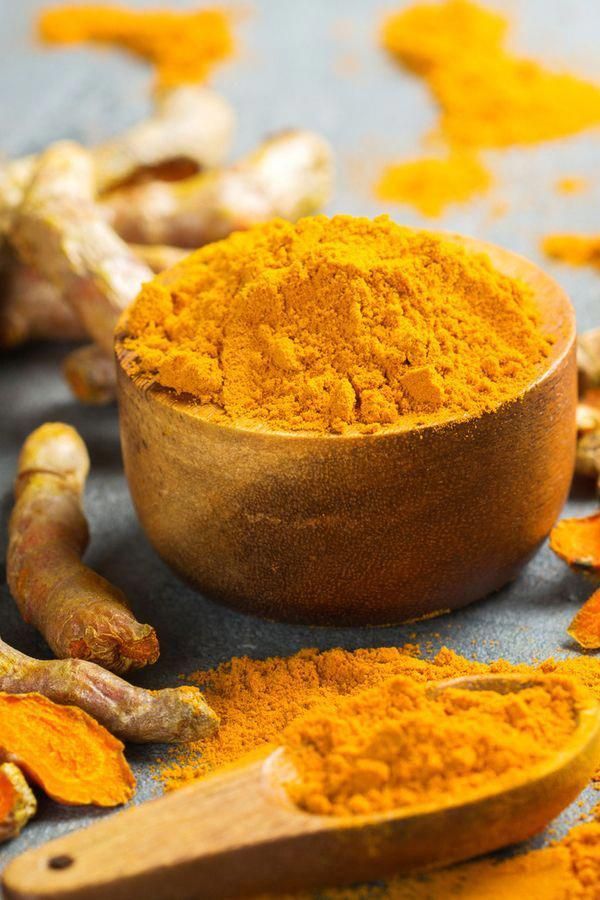
Egypt's relationship with medicinal plants is genuinely ancient — the Ebers Papyrus, one of the oldest surviving medical texts in the world (dating to roughly 1550 BCE), documents the use of plants like garlic, aloe, and juniper in Ancient Egyptian medicine. That tradition continues today in a very different form: Egypt as one of the world's leading exporters of raw botanical material to the global herbal supplement, pharmaceutical, and cosmetic industries.
A Brief History of Medicinal Plants in Egypt
Beyond the Ebers Papyrus, archaeological and textual evidence shows Ancient Egyptians using plant material in embalming, religious ritual, and everyday medicine. Many plants referenced in these ancient texts — chamomile, fennel, aniseed, coriander — remain among Egypt's most significant herb exports today, grown in many of the same Nile-adjacent regions their ancient use was recorded in.
What Defines a "Medicinal Plant"?
In modern regulatory and trade terms, a medicinal plant is any plant used, or with a history of use, for its therapeutic or pharmacological properties — as distinct from purely culinary herbs and spices, though the two categories overlap significantly (chamomile, for instance, is used both as a beverage herb and as a raw material in supplement and cosmetic manufacturing). Whether a specific plant's use is regulated as a food, a dietary supplement ingredient, or a pharmaceutical raw material depends heavily on the destination market and how it's marketed — the same dried flower can fall into different regulatory categories depending on end use.
Commonly Exported Egyptian Medicinal Plants
- Chamomile — traditionally used for relaxation and digestive comfort; see our dedicated guide.
- Hibiscus (karkade) — widely consumed as tea and studied in various research contexts, alongside its traditional culinary and beverage use.
- Fenugreek — used both as a culinary spice and, traditionally, in various herbal preparations.
- Calendula — commonly used in topical/cosmetic formulations.
- Fennel and anise seed — traditionally used to support digestion, alongside extensive culinary use.
- Molokhia — a leafy plant central to Egyptian cuisine, also referenced in traditional use contexts.
This is a general, informational overview, not a treatment guide — traditional use does not equal proven medical efficacy, and anyone considering an herbal product for a specific health purpose should consult a qualified healthcare provider rather than relying on general marketing claims.
Traditional Use vs. Modern Regulatory Categories
It's worth separating two different things: long-documented traditional use (which is a historical and cultural fact) and scientifically validated medical efficacy (which is a much higher, product- and claim-specific bar, typically requiring clinical evidence and, in many markets, regulatory approval before a specific medical claim can legally be made). Reputable exporters and formulators are careful to keep these distinct in how they market botanical products, and buyers should be cautious of suppliers who blur the two.
Quality and Safety Standards for Medicinal Plant Exports
Because medicinal and supplement-grade botanicals often face stricter downstream regulatory scrutiny than purely culinary herbs, quality control tends to be more rigorous: tighter pesticide residue limits, heavy metal testing (particularly relevant for root and rhizome material grown in soil), microbial testing, and full batch traceability from farm to finished lot. Buyers sourcing for supplement or pharmaceutical use should request this documentation as standard, not as a special favor.
Medicinal Plants in the Global Herbal Supplement Industry
The global market for herbal and botanical supplements has grown substantially over recent decades, and Egypt supplies raw material into this supply chain for manufacturers across Europe, North America, and Asia. Most of this trade is in raw or minimally processed dried plant material, which downstream manufacturers then extract, encapsulate, or otherwise formulate into finished consumer products.
Sourcing Medicinal Plants Responsibly
Responsible sourcing in this category means more than quality control — it also means sustainable wild-harvesting practices where applicable (many medicinal plants are still partly wild-collected rather than cultivated), fair compensation to farming communities, and full regulatory compliance for the specific end-use category the buyer intends. If a plant is wild-harvested rather than cultivated, ask about harvesting practices and any relevant conservation status.
Cultivation vs. Wild Harvesting
The distinction between cultivated and wild-harvested medicinal plants matters for several practical reasons. Cultivated plants offer more consistent quality year to year, clearer traceability back to a specific farm, and generally lower sustainability risk, since production doesn't depend on a limited natural population. Wild-harvested plants, by contrast, can offer access to species that haven't been successfully domesticated for commercial cultivation, but they carry more supply variability and, for some species globally, real conservation concerns if harvesting isn't managed sustainably. Most of Egypt's major medicinal plant exports — chamomile, hibiscus, fenugreek, calendula — are cultivated crops rather than wild-collected, which is one of the reasons supply and quality tend to be more predictable for these compared to some wild-harvested botanicals sourced from other regions.
Species Identification and Authentication
A less obvious but genuinely important quality issue in the global botanical trade is species authentication — confirming that a shipment actually contains the plant species it's labeled as, at the expected purity, without unintentional substitution or adulteration with a similar-looking but different (and possibly inactive or unsafe) plant material. This is a recognized issue across the global herbal supplement industry, and buyers sourcing for supplement or pharmaceutical raw material increasingly request additional authentication testing beyond a standard visual and lab inspection, particularly for less common botanicals. Working with a supplier who controls their own growing operations (rather than aggregating from many uncontrolled sources) significantly reduces this risk, since the exact species planted and harvested is known with certainty from the start.
Regulatory Categories Around the World
How a given medicinal plant is regulated varies significantly by country and by how the finished product is marketed. In the United States, botanical ingredients used in dietary supplements fall under the FDA's dietary supplement framework (distinct from drug regulation), while the same plant marketed with a specific disease treatment claim would be regulated as an unapproved drug. In the European Union, traditional herbal medicinal products can be registered under a simplified framework specifically for products with a documented history of traditional use, distinct from full pharmaceutical approval. These frameworks differ enough between markets that a buyer expanding into a new region should not assume rules from one market automatically apply in another — specific regulatory counsel for each target market is the safer approach.
Egypt's Role in the Global Botanical Trade
Egypt is one of a relatively small number of countries with both the agricultural capacity and export infrastructure to supply botanical raw material at meaningful scale to international supplement, pharmaceutical, and cosmetic manufacturers. This position has been built over decades of accumulated growing expertise, established relationships with international buyers, and continued investment in quality infrastructure like lab testing capacity and certified processing facilities — all of which take years to build and are difficult for newer entrant countries to replicate quickly.
The Growing Global Interest in Traditional Botanicals
Consumer interest in plant-based, traditionally used ingredients has grown substantially across the supplement, functional food, and cosmetic industries over the past decade, part of a broader trend toward what's often marketed as "natural" or "clean label" products. This has expanded demand well beyond the historically dominant handful of globally famous medicinal botanicals, with formulators increasingly interested in regionally specific plants with documented traditional use, like several of Egypt's core exports. For origin countries like Egypt with both a long history of botanical use and modern export infrastructure, this represents a meaningful and growing market opportunity, provided quality, traceability, and regulatory compliance keep pace with rising buyer expectations in this more scrutinised product category.
Ethical Considerations in the Botanical Trade
The botanical raw material trade carries some ethical considerations worth acknowledging directly. Fair compensation for farming communities, many of whom are smallholders with limited bargaining power against large international buyers, is an ongoing industry concern, as is ensuring wild-harvesting practices (where relevant) don't outpace natural regeneration of a given species. Reputable exporters increasingly build direct, long-term relationships with growing communities rather than purely transactional sourcing through unaccountable intermediaries, both because it produces more consistent quality and traceability, and because it distributes the economic benefit of export demand more fairly to the communities actually growing the crop. Buyers who care about the ethical dimension of their supply chain, not just the compliance dimension, should feel comfortable asking suppliers directly how farming relationships are structured.
Working With Elrouby Herbs
We export a wide range of traditionally used botanicals from Egypt, with full documentation available for buyers in the supplement, cosmetic, and food manufacturing sectors. Browse our full catalog, review our quality certifications, or contact our team to discuss sourcing for your specific application.
Related Pages
Frequently Asked Questions
What is the Ebers Papyrus?
The Ebers Papyrus is one of the oldest surviving medical texts in the world, dating to around 1550 BCE, documenting Ancient Egyptian medical knowledge including the use of various plants.
Is a medicinal plant the same as a culinary herb?
There's significant overlap — many plants (like chamomile or fennel) are used both as culinary/beverage ingredients and as raw material for supplement or cosmetic manufacturing. The regulatory category often depends on how the product is marketed and its intended use, not the plant itself.
Do you provide heavy metal testing for medicinal plant exports?
We can arrange the relevant lab testing, including heavy metal and pesticide residue testing, for buyers in the supplement and pharmaceutical raw material sectors — contact us to discuss your specific documentation requirements.
Are Egyptian medicinal plants wild-harvested or cultivated?
It depends on the specific plant — most of our core products like chamomile, hibiscus, and fenugreek are cultivated, though some botanicals in the broader Egyptian export market are wild-harvested. Ask about the specific sourcing method for any product you're evaluating.
Can traditional use claims be used in marketing?
This depends heavily on your target market's regulations — many countries restrict specific health claims on food and supplement products regardless of traditional use history. We'd recommend consulting regulatory counsel in your target market before finalizing product marketing claims.
What is species authentication and why does it matter?
Species authentication confirms a botanical shipment actually contains the labeled plant species at expected purity, without substitution by a similar-looking but different plant. It's an increasingly requested check in the global herbal supplement trade, particularly for less common botanicals.
Are Egyptian medicinal plants regulated differently in the US versus the EU?
Yes — the US FDA regulates botanical dietary supplement ingredients under a distinct framework from drugs, while the EU has a simplified registration pathway for traditional herbal medicinal products. Rules differ enough between markets that region-specific regulatory guidance is recommended.
Are most medicinal plants from Egypt cultivated or wild-harvested?
Egypt's major medicinal plant exports — chamomile, hibiscus, fenugreek, calendula — are predominantly cultivated crops rather than wild-collected, which supports more consistent quality and clearer traceability than wild harvesting typically allows.
What is species authentication testing?
It's testing that confirms a botanical shipment genuinely contains the labeled plant species at expected purity, without unintentional substitution by a similar-looking but different plant — an increasingly requested check for supplement-grade botanical orders.
How can I evaluate whether a botanical supplier sources ethically?
Ask directly how farming relationships are structured — reputable exporters increasingly build direct, long-term relationships with growing communities rather than sourcing purely transactionally through unaccountable intermediaries.
Can the same medicinal plant be sold as both a food ingredient and a supplement ingredient?
Yes, the same raw plant material is often sold into multiple end-use categories — the regulatory classification depends primarily on how the finished product is marketed and its intended use, not on the raw botanical itself.
What documentation should accompany a medicinal plant shipment?
Beyond standard export documents, expect a certificate of analysis covering moisture, microbial, and pesticide residue testing, plus heavy metal and species authentication results where relevant for supplement or pharmaceutical end use.
Is Egypt a significant source for the global herbal supplement industry?
Yes, Egypt supplies raw botanical material into the supply chains of manufacturers across Europe, North America, and Asia, built on decades of accumulated growing expertise and export infrastructure investment.