Lemongrass
Lemongrass: The Citrus-Scented Grass Behind Thai Curries and Citronella Candles
July 31, 2026 · 9 min read
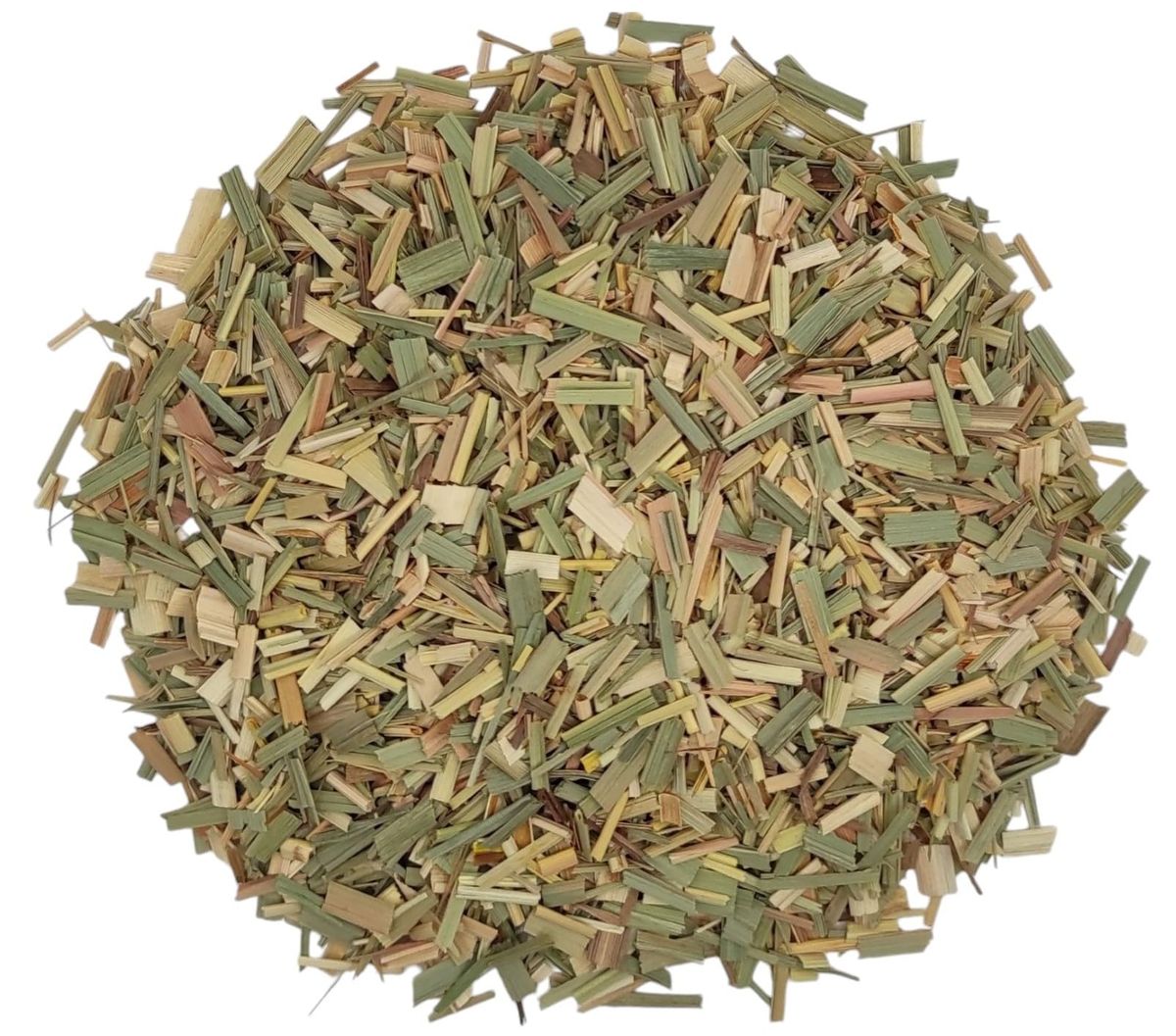
Lemongrass has an unusual range for a single plant genus: it flavors some of the most recognizable dishes in Thai and Southeast Asian cooking, shows up in traditional remedies across three continents, and — through a closely related species — ends up in the citronella candles people light to keep mosquitoes away on a summer evening. This guide covers what lemongrass actually is, how it's used, and what buyers should know when sourcing it.
What Is Lemongrass?
Lemongrass belongs to Cymbopogon, a genus of roughly 52 grass species (family Poaceae) native to Asia, Africa, Australia, and various tropical islands. The genus name derives from Greek words meaning "boat" and "beard," a reference to the hairy spikelets that project from boat-shaped structures in most species — a small botanical detail that explains an otherwise puzzling name.
West Indian vs. East Indian Lemongrass
Two species dominate culinary and commercial use. West Indian lemongrass (Cymbopogon citratus), native to maritime Southeast Asia and known locally as tanglad in the Philippines, is the variety most suited to cooking and the one most commonly exported for culinary use. East Indian lemongrass (Cymbopogon flexuosus), originating from Cambodia, Vietnam, Laos, India, Sri Lanka, Myanmar, and Thailand, serves as a related alternative with a similar but distinct profile.
Lemongrass in Cuisines Around the World
Lemongrass's fresh, sweet, citrusy, grassy aroma makes it a defining ingredient across Southeast Asian cooking. It's essential to Thai dishes like yam takhrai kung sot (a prawn salad built around the stalk's bright citrus note) and appears in Filipino preparations such as dinuguan, a pork blood stew where it helps balance the dish's richness. Beyond direct culinary use, it's a common flavoring component in teas and broths across the region.
Traditional and Folk Uses
Lemongrass carries a long history in traditional practice well beyond the kitchen. In India, C. citratus features in traditional medicine and perfumery. Brazilian folk medicine has long used lemongrass tea for anxiety, though it's worth being direct that formal human studies have not shown a significant effect — a useful reminder that traditional popularity and clinical evidence are two different things, and nothing here should be read as medical advice. In Samoa and Tonga, mashed lemongrass leaves have traditionally been used as a remedy for oral infections.
The Citronella Connection
Closely related citronella grass species (C. nardus and C. winterianus) — distinct from the culinary lemongrass species but part of the same broader genus — produce citronella oil, valued for its geraniol and citronellol content, both naturally occurring antiseptic compounds. This oil is the active ingredient behind citronella candles and sprays used as insect repellents. It's worth noting this is a related but different product from the culinary lemongrass covered in this guide, since buyers sometimes conflate the two when sourcing.
How Lemongrass Is Processed for Export
Lemongrass is harvested by cutting the stalks close to the base once they reach sufficient maturity and thickness. For culinary export, stalks are typically trimmed, cleaned, and either shipped fresh-cut for buyers with short supply chains, or dried and cut for longer shelf life and easier bulk shipping. The U.S. FDA classifies lemongrass essential oil as generally recognized as safe for food use, which reflects its long-standing, well-established role in food applications globally.
Storage
Fresh-cut lemongrass has a limited shelf life and should be kept cool and used relatively quickly, while dried and cut lemongrass, stored in a cool, dry, airtight container away from light, retains good aroma for up to a year or more.
Lemongrass in Tea and Wellness Blends
Beyond savory cooking, dried lemongrass is a popular standalone herbal tea and a common blending ingredient alongside ginger, mint, and hibiscus in wellness-oriented tea products. Its bright, citrusy character holds up reasonably well through the hot water steeping process, and its naturally caffeine-free profile makes it a popular base for evening or all-day drinking blends aimed at consumers looking for flavor without stimulants.
Comparing Lemongrass Suppliers: What to Look For
Because lemongrass is sourced and traded in both fresh and dried forms, it's worth being specific when comparing suppliers: confirm which species you're being quoted (Cymbopogon citratus is standard for culinary use), whether the product is fresh-cut or dried and cut, and what lab testing is offered for microbial load if you're sourcing for food manufacturing. A transparent supplier will answer these questions directly rather than leaving the format and species ambiguous in a quote.
Growing Lemongrass in Egypt's Climate
Lemongrass is a tropical and subtropical grass by origin, but it adapts reasonably well to Egypt's warm growing season, particularly in areas with reliable irrigation, since the plant does require consistent moisture to thrive despite tolerating Egypt's heat well. It's typically grown as a perennial clump, harvested by cutting individual stalks close to the base while leaving the root clump intact to continue producing, which allows for multiple harvests across a single growing season rather than a one-time cut-and-replant cycle.
Using Lemongrass in the Kitchen: A Few Practical Notes
Fresh lemongrass stalks are notably tough and fibrous, especially toward the base and outer layers, which is why most recipes call for either finely mincing the tender inner core, bruising and simmering whole stalks to infuse a broth or curry before removing them, or grinding the stalk into a paste as part of a larger spice or aromatic base — as in many Southeast Asian curry pastes. Buyers new to the ingredient sometimes attempt to eat lemongrass pieces whole as they would a leafy herb, which isn't the intended use given the stalk's tough, woody texture; understanding this distinction matters for anyone developing recipes or consumer-facing product instructions around the ingredient.
Lemongrass and Sustainability Considerations
As a fast-growing perennial grass that can be harvested repeatedly from the same clump across a season, lemongrass is generally considered a relatively low-input, sustainable crop compared to some more resource-intensive botanicals, requiring less land turnover and replanting effort once established. This makes it an attractive crop for growers looking to diversify beyond more traditional row crops without taking on the higher water or land demands of some alternatives.
Documentation Buyers Should Expect for Export Shipments
Beyond product-specific quality checks, international lemongrass buyers should expect standard export documentation: a certificate of origin, a phytosanitary certificate meeting the destination country's plant health requirements (particularly relevant for fresh-cut shipments), a commercial invoice and packing list, and organic certification paperwork where applicable. A supplier who can't produce this documentation promptly, or seems unfamiliar with a specific destination market's import rules, is worth treating cautiously before placing a larger order.
Sourcing Bulk Lemongrass From Egypt
For buyers sourcing lemongrass, it's worth specifying upfront whether you need fresh-cut stalks or dried, cut material, since the two have very different logistics, pricing, and shelf-life profiles. Explore our current lemongrass offering, browse our full product catalog, or visit our contact page to request a quote or sample.
Related Pages
Frequently Asked Questions
What's the difference between lemongrass and citronella?
They're related but distinct: culinary lemongrass is typically Cymbopogon citratus, while citronella oil comes from related species (C. nardus and C. winterianus) prized for insect-repellent properties. Buyers should specify which they need.
Do you export fresh or dried lemongrass?
We can supply both fresh-cut stalks and dried, cut lemongrass depending on your logistics and shelf-life needs. Specify your preference when requesting a quote.
How should lemongrass be stored?
Fresh-cut stalks should be kept cool and used relatively quickly. Dried, cut lemongrass should be stored in a cool, dry, airtight container away from light, where it retains good aroma for up to a year or more.
Is lemongrass tea effective for anxiety?
Lemongrass tea has a long history of traditional use for this purpose in Brazilian folk medicine, but formal human studies haven't shown a significant effect. This isn't medical advice, and traditional popularity shouldn't be read as clinical proof.
Is lemongrass essential oil safe to use in food?
The U.S. FDA classifies lemongrass essential oil as generally recognized as safe for food use, reflecting its long-standing role in food applications.
What's the difference between West Indian and East Indian lemongrass?
West Indian lemongrass (Cymbopogon citratus) is the variety most commonly used in cooking and export. East Indian lemongrass (Cymbopogon flexuosus) is a related species with a similar but distinct aromatic profile.
Can I request a sample before a bulk order?
Yes. We regularly send samples to prospective buyers for quality evaluation before committing to a full order.
What packaging options are available for lemongrass?
Packaging depends on whether you're ordering fresh-cut or dried lemongrass — see our packaging page or contact our team for current formats suited to your order.
Is Egyptian-grown lemongrass organic?
We offer both conventionally grown and certified organic lemongrass, depending on harvest and buyer requirements. Ask our team for current organic certification availability.
Why does the name 'lemongrass' reference a boat and a beard?
The genus name Cymbopogon derives from Greek words for 'boat' and 'beard,' referring to the hairy spikelets that project from boat-shaped structures on the plant — an etymological detail rather than a description of the culinary product itself.
Can lemongrass stalks be eaten whole?
No — the stalk is tough and fibrous, especially toward the base and outer layers. It's typically finely minced (using the tender inner core), bruised and simmered whole then removed, or ground into a paste as part of a larger aromatic base.
Is lemongrass a sustainable crop?
It's generally considered relatively low-input compared to some other botanicals, since it's a fast-growing perennial that can be harvested repeatedly from the same clump across a season without full replanting.