Fennel Seeds
Fennel Seeds: Egypt's Aromatic Export From Ancient Remedy to Modern Kitchen
July 31, 2026 · 9 min read
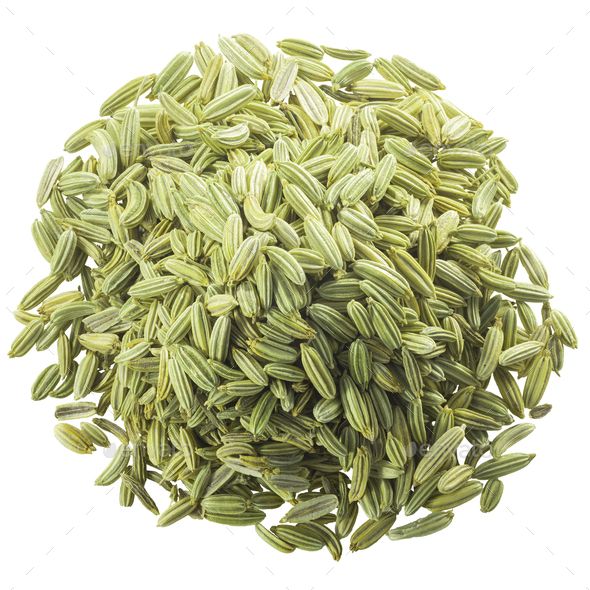
Fennel seeds are one of those spices that quietly show up in a dozen different cuisines without most cooks realizing how much history is packed into a small brown seed. Sweet, slightly warm, and unmistakably anise-like, they're a staple in Italian sausage, Indian dal and paan, Chinese five-spice, and — going back further — in Greek and Roman medicine cabinets. This guide looks at what fennel seeds actually are, where Egypt fits into the global fennel trade, and what buyers should check before placing a bulk order.
What Is Fennel?
Fennel (Foeniculum vulgare) is a flowering plant in the carrot family (Apiaceae), related to dill, cumin, and coriander. The plant produces small, ridged, greenish-brown to yellowish seeds — technically fruits, in botanical terms — that carry the plant's signature aroma. That aroma comes primarily from anethole, a naturally occurring compound that also gives anise and star anise their similar sweet, licorice-like character, though each plant's flavor has its own subtle differences.
The whole plant is edible: the bulb is eaten as a vegetable, the fronds work as an herb, and the seeds are used as a spice — but it's the dried seed that dominates the global spice trade and is the focus of this guide.
A History Rooted in Ancient Greece and Rome
Fennel has one of the more interesting etymological backstories in the spice world. The Greek word for fennel, marathon, is widely believed to be connected to the name of the plain of Marathon, reportedly because fennel grew wild there in abundance — the same Marathon after which the modern long-distance race is named, commemorating the run from that battlefield to Athens. Beyond etymology, fennel held real practical value in the ancient world: Greeks and Romans used it as food, medicine, and even as an insect repellent, and it later became a key flavoring ingredient in absinthe, the anise-flavored spirit that became notorious in 19th-century Europe.
Fennel Seeds in Cuisines Around the World
Few spices cross as many culinary traditions as fennel seed. In Italy, it's a defining flavor in many regional sausages and porchetta. In India, roasted fennel seeds (saunf) are chewed after meals as a breath freshener and digestive aid, and they're a component of paan. Chinese five-spice powder typically includes fennel alongside star anise, cinnamon, cloves, and Sichuan pepper. It also appears widely in Middle Eastern and Egyptian home cooking — in bread, pickling spice blends, and herbal tea infusions.
How Fennel Seed Is Grown and Processed in Egypt
Fennel grows well in Egypt's warm, dry climate, typically harvested in summer once the seed heads have dried on the plant. After harvest, seed heads are threshed to separate the seeds from stems and chaff, then further cleaned and sieved to remove plant debris, immature seeds, and foreign material. Clean seed is then graded by size and color uniformity, and lab-tested for moisture content, foreign matter percentage, and microbial load before packing for export.
Buyers can request whole seed — the standard form for most culinary and tea applications — or ground fennel, though whole seed generally has a longer shelf life since grinding accelerates the loss of the volatile oils responsible for its aroma.
Grading and Quality Considerations
Fennel seed quality is judged primarily on color (a bright green-tinged seed generally indicates fresher, better-preserved material, while dull brown seed suggests age or poor storage), seed size uniformity, aroma strength, and low levels of foreign matter or broken seed. As with most whole-spice seeds, essential oil content is the real driver of flavor quality — a visually attractive seed with weak aroma is lower value than a slightly less uniform seed with strong, fresh fennel scent, so reputable suppliers should be willing to discuss oil content or at minimum offer a sample for aroma evaluation before a bulk order is confirmed.
Storing Fennel Seeds for Maximum Freshness
Like most seed spices, fennel is sensitive to light, heat, and humidity, all of which accelerate the loss of its aromatic oils. For longest shelf life, store whole fennel seed in a cool, dark, dry location in airtight, food-grade packaging, and avoid grinding until close to use. Properly stored whole seed retains good flavor for 2–3 years, though buyers sourcing for a premium product often specify fresher harvest windows.
Fennel's Role in Egyptian Agriculture
Fennel is one of several seed spices grown as a rotational or cash crop by Egyptian farmers, alongside crops like cumin, coriander, and caraway that share similar growing seasons and processing infrastructure. The plant's tolerance for Egypt's hot, dry summer climate and relatively modest water requirements compared to some other cash crops make it a practical choice for many smallholder and mid-size farming operations, and steady export demand provides a reliable market for growers season after season.
Comparing Fennel Suppliers: What to Look For
Because fennel seed is traded globally across a wide range of price points, buyers often receive quotes that look similar on paper but differ substantially in what's actually delivered. Worth comparing explicitly: whether lab testing (moisture, foreign matter, microbial load) is provided as standard or only on request, harvest freshness (older carryover stock is typically sold at a discount but with weaker aroma), and packaging suited to protecting a spice that's sensitive to light and humidity. Asking each prospective supplier the same specific questions makes quotes genuinely comparable rather than comparing price alone.
Fennel Seed vs. Fennel Bulb: A Note for New Buyers
It's worth being precise about terminology, since "fennel" in a produce aisle usually means something different from "fennel" in a spice catalog. The fennel bulb — the pale, layered vegetable used raw in salads or roasted as a side dish — is a fresh, perishable product with its own separate supply chain, typically sold locally rather than exported as a dried commodity. Fennel seed, the subject of this guide, is the dried fruit of the same plant, shelf-stable, easily exported, and used as a spice rather than a vegetable. Buyers occasionally reach out asking about "fennel" without specifying which they mean, so it's worth clarifying upfront to avoid a mismatched order.
Fennel Seed in Herbal Tea Blends
Beyond savory cooking, fennel seed is a common ingredient in herbal tea blends, prized for the same warm, sweet anise character that makes it useful in cooking. It's often blended with other digestive-friendly botanicals like chamomile, peppermint, or ginger, and its seeds hold up well to the hot water steeping process without losing their aromatic character the way some more delicate dried herbs do. This makes fennel a popular component for tea manufacturers looking for a robust, long-shelf-life ingredient that performs consistently across different blend formulations and storage conditions before reaching the end consumer.
Fennel's Traditional Reputation — and Its Limits
Fennel has a long folk reputation as a digestive aid, reflected in practices like chewing roasted seeds after meals in South Asian cuisine, a habit that long predates any formal research into why it might help. It's worth being clear-eyed about this, though: while fennel's traditional use for this purpose is genuinely old and widespread, that's a reflection of culinary and folk history rather than a documented medical claim, and nothing in this guide should be read as medical advice. Buyers formulating consumer-facing tea or food products that reference traditional digestive use should ensure their own labeling and claims comply with the regulatory requirements of their target market.
Fennel Seed in Baking and Confectionery
Fennel seed's sweet, warm character makes it a natural fit for baking, appearing in traditional Italian biscotti and taralli, certain rye and seeded breads across Europe, and in Indian sweets and confections where roasted, sometimes sugar-coated fennel seeds (mukhwas) are served as a palate cleanser and mild sweet at the end of a meal. This crossover between savory spice and confectionery ingredient is fairly unusual — most spices lean firmly one way or the other — and it's part of why fennel seed sees such broad, steady demand across food categories that don't otherwise overlap much in their ingredient sourcing.
Whole vs. Cracked Fennel Seed for Different Applications
Beyond the whole-versus-ground distinction covered earlier, some buyers specifically request lightly cracked or bruised fennel seed, which sits between whole and fully ground in terms of how readily it releases its aromatic oils. Cracked seed is sometimes preferred in spice blends and rubs where a quick release of aroma is wanted without the faster staling that comes with full grinding, giving formulators a middle option between the long shelf life of whole seed and the immediate potency of powder.
Documentation Buyers Should Expect for Export Shipments
Beyond product-specific quality documentation, international fennel seed buyers should expect a standard package of export paperwork: a certificate of origin, a phytosanitary certificate confirming the shipment meets the importing country's plant health requirements, a commercial invoice and packing list detailing exact quantities and grades, and — where relevant to the destination market — documentation supporting any organic or other certification claims. A supplier unfamiliar with a specific destination country's import requirements, or unable to produce this documentation promptly, is a meaningful red flag worth taking seriously before committing to a larger order.
Sourcing Bulk Fennel Seed From Egypt
For importers sourcing fennel at scale, working with a transparent, established exporter matters as much as the raw seed itself. Look for suppliers who provide lab testing, consistent grading between shipments, and clear documentation including phytosanitary certificates. Explore our current fennel seeds offering, browse our full product catalog, or visit our contact page to request a quote or sample.
Related Pages
Frequently Asked Questions
Is fennel seed the same as anise seed?
No, though they taste similar. Both contain anethole, the compound responsible for their sweet, licorice-like flavor, but they come from different plants — fennel (Foeniculum vulgare) and anise (Pimpinella anisum) — with subtly different flavor profiles.
What gives fennel seeds their flavor?
Primarily anethole, a naturally occurring aromatic compound also found in anise and star anise, responsible for fennel's sweet, warm, licorice-like taste.
How should I store fennel seeds?
In a cool, dark, dry place in airtight, food-grade packaging. Keep seeds whole rather than pre-ground, since grinding accelerates the loss of aromatic oils.
What's the shelf life of whole fennel seed?
Properly stored whole fennel seed retains good flavor for roughly 2–3 years, though buyers wanting peak aroma often prefer more recent harvest stock.
Do you offer ground fennel as well as whole seed?
We primarily export whole fennel seed, since it holds its aroma far longer than ground fennel. Contact our team to discuss ground fennel availability for your specific order.
Is Egyptian fennel organic?
We offer both conventionally grown and certified organic fennel, depending on harvest and buyer requirements. Ask our team for current organic certification availability.
Can I request a sample before a bulk order?
Yes. We regularly send samples to prospective buyers for quality and aroma evaluation before committing to a full order.
What packaging options are available for bulk fennel seed?
We offer kraft bags, PP woven bags, and jute bags depending on order size. See our packaging page for details.
Why does fennel seed quality vary between suppliers?
Freshness, essential oil content, and cleaning/sorting quality all affect fennel seed value. A visually uniform seed with weak aroma is lower quality than a fresher, more aromatic batch, so it's worth asking suppliers directly about oil content or requesting a sample.
What's the difference between fennel seed and fennel bulb?
They come from the same plant but are different parts used differently: the bulb is a fresh vegetable eaten cooked or raw, while the dried seed is used as a spice. This guide and our product listing focus on the dried seed.
Can fennel seed be used in baking?
Yes. Its sweet, warm flavor works well in Italian biscotti and taralli, certain rye and seeded breads, and Indian sweets, where roasted, sometimes sugar-coated fennel seeds are served as a mild dessert and palate cleanser.
What's cracked fennel seed used for?
Lightly cracked or bruised fennel seed sits between whole and ground in how quickly it releases aroma, and is sometimes preferred in spice blends and rubs where a faster aroma release is wanted without the shorter shelf life of fully ground seed.