Export Process
The Herb Export Process, Step by Step
July 22, 2026 · 10 min read
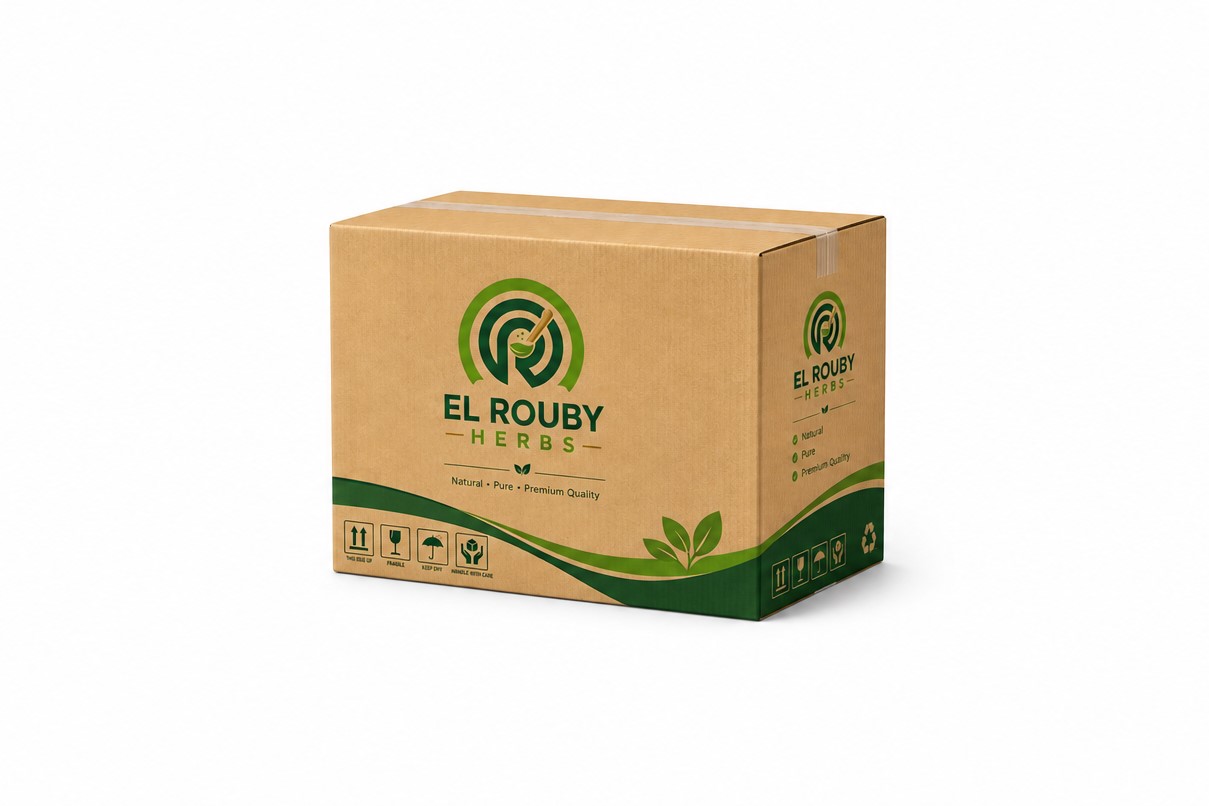
For a first-time buyer, the herb export process can feel opaque — how does an order actually go from an inquiry email to a container arriving at your warehouse? Here's the process broken into its real stages, based on how a typical bulk order moves through our own export operation.
Step 1: Product Selection and Sample Requests
Every order starts with identifying the right product and grade for your use case. Most serious buyers request a physical sample before committing — this lets you evaluate colour, aroma, moisture, and whole-material percentage firsthand rather than relying on a written spec sheet alone. A good exporter should be able to send a representative sample that matches what an actual bulk order would look like, not a hand-picked best-case batch.
Step 2: Quotation and Order Confirmation
Once you've approved a sample, the next step is a formal quotation covering price, quantity, packaging format, Incoterm (e.g., FOB or CIF), and estimated lead time. Once terms are agreed, this typically moves to a proforma invoice and order confirmation, at which point a deposit or full payment (depending on agreed terms) is usually required before production or packing begins.
Step 3: Quality Inspection and Lab Testing
Before packing for shipment, the specific lot allocated to your order goes through quality inspection — checking against the agreed specification for grade, moisture content, and visual quality — and lab testing for pesticide residue, microbial safety, and any other buyer-specific requirements (heavy metals, for instance, for supplement-grade orders). Results are typically documented in a certificate of analysis shared with the buyer before or alongside shipment.
Step 4: Packaging and Labeling
Product is packed according to the agreed format — jute bags, PP woven bags, kraft bags, or retail-ready tea bags — and labeled per the destination market's requirements, which can include country of origin, net weight, lot number, and any buyer-specific branding for private label orders. Labeling errors are a common (and avoidable) cause of customs delays, so this step benefits from clear specification upfront.
Step 5: Export Documentation
A standard export shipment requires several documents prepared in parallel with packing: commercial invoice, packing list, certificate of origin, and phytosanitary certificate (for raw plant material). Depending on the buyer's market and product category, additional documents like a certificate of analysis, organic certificate, or halal/kosher certification may also be required. This is generally the exporter's responsibility to prepare and provide to the buyer's customs broker.
Step 6: Customs Clearance (Export Side)
Before leaving Egypt, shipments clear export customs, which may include a physical or documentary inspection depending on the product and current regulatory requirements. GOEIC (the General Organization for Export & Import Control) is the relevant Egyptian authority overseeing export quality control and documentation for agricultural products.
Step 7: Shipping
Most bulk herb shipments move by sea freight from Alexandria or Damietta ports, typically in standard 20ft or 40ft containers. Smaller or time-sensitive orders may move by air freight instead, at a significantly higher cost per kilogram but much faster transit. Sea freight to Europe generally takes 1–2 weeks; to the US, 3–4 weeks; other destinations vary by routing and transshipment.
Step 8: Import Customs Clearance and Delivery
On arrival, the buyer's customs broker handles import clearance, which may include phytosanitary inspection by the destination country's agricultural authority. Once cleared, goods move to the buyer's specified delivery location per the agreed Incoterm. A responsive exporter should remain available to resolve any documentation questions that come up during this stage — delays here are usually a documentation issue, not a shipping issue, and are much faster to resolve with an exporter who prepared paperwork carefully in step 5.
After Delivery: Ongoing Relationship
For buyers planning repeat orders, the process gets faster after the first shipment — specifications, documentation templates, and quality expectations are already established. Many of our long-term buyers move to standing seasonal orders once the relationship is established, reducing the lead time and back-and-forth of a first-time transaction.
Payment Methods in Herb Export
Several payment methods are commonly used in herb export trade, each with a different risk balance between buyer and seller. Telegraphic transfer (TT) — a direct bank wire — is the simplest and most common method, typically structured as a deposit at order confirmation with the balance before or against shipping documents. Letters of credit (LC) provide more security for both parties on larger or first-time orders, since payment is guaranteed by the issuing bank against presentation of the agreed shipping documents, reducing risk for the exporter without requiring the buyer to pay fully upfront. Documentary collection sits between these two in terms of risk allocation. Which method makes sense depends on order size, whether it's a first transaction or an established relationship, and each party's own banking relationships and risk tolerance.
Insurance for Herb Shipments
Cargo insurance protects against loss or damage during transit — a relevant consideration given that a bulk herb shipment can represent significant value moving through multiple handling points over several weeks. Depending on the agreed Incoterm, responsibility for arranging insurance falls to either the buyer or seller (under CIF terms, for example, the seller arranges insurance as part of the quoted price; under FOB, the buyer typically arranges their own coverage from the port of loading onward). Even where insurance isn't strictly required by the agreed terms, buyers moving high-value shipments often choose to arrange additional coverage for peace of mind, particularly on a first shipment with a new supplier.
When Something Goes Wrong
Even with careful process, issues occasionally arise — a shipment delayed at customs, a quality discrepancy identified on arrival, or a documentation error requiring correction. How a supplier handles these situations, more than whether they occur at all, is often the real test of a trading relationship. Before your first order, it's reasonable to ask a supplier directly how they've handled quality disputes or delivery issues in the past, and to get any agreed remedy process (replacement, credit, or partial refund for genuine quality shortfalls, for instance) documented in your order confirmation rather than left as an informal understanding.
Digitization in Export Documentation
Export documentation has moved substantially toward digital processes in recent years — electronic phytosanitary certificates, digital bills of lading in some trade lanes, and online customs declaration systems have reduced processing time compared to fully paper-based systems of even a decade ago. Egypt's GOEIC and customs systems have incorporated increasing digitization, which has generally shortened processing times, though buyers should still expect some paper documentation requirements to persist for the foreseeable future, particularly around original certificates required by destination country customs authorities.
Air Freight vs. Sea Freight: Making the Right Call
The choice between air and sea freight comes down to a trade-off between cost and speed, and the right answer depends on your specific situation. Sea freight is dramatically cheaper per kilogram for any meaningful volume and is the default for standard bulk orders where a multi-week lead time is already built into inventory planning. Air freight costs substantially more but can cut transit time from weeks to days, which can justify the premium for urgent restocking, smaller high-value orders, or a first sample shipment where speed matters more than shipping cost. Some buyers use a hybrid approach — sea freight for standing bulk orders, with air freight reserved specifically for emergency restocking between scheduled shipments.
Working With a New vs. Established Exporter
The export process described above generally moves faster and with fewer surprises once a relationship is established, but that shouldn't discourage working with a new supplier when the fit is right — it just means investing more care in the early steps. For a first order with any new exporter, it's reasonable to expect a slightly longer timeline as both sides confirm specifications, documentation formats, and expectations for the first time. Buyers who treat a first order explicitly as a trial — smaller volume, clear evaluation criteria, direct feedback if something falls short — tend to build stronger long-term supplier relationships than those who commit to large first orders without that lower-risk trial phase.
What to Prepare Before Your First Inquiry
Buyers who arrive at a first conversation with a clear brief tend to move through the process fastest. Useful information to have ready includes: the specific product and, if known, preferred grade or specification; an estimated order volume (even a rough range is useful); your destination port or country; your intended end use (food, beverage, supplement, cosmetic, etc.), since this affects which documentation and testing will be relevant; and any certification requirements specific to your market or brand. None of this needs to be finalized before reaching out — a good exporter will help you refine specifications through the sampling process — but having a starting brief significantly speeds up the first few rounds of back-and-forth.
Start the Process
If you're ready to request a sample or quote, reach out to our export team with your target product, volume, and destination. See also our certifications and packaging options for more detail on what to expect at each stage.
Related Pages
Frequently Asked Questions
How long does the full export process take from inquiry to delivery?
This varies by order, but a rough guide is 1–2 weeks for sample evaluation and quotation, 1–3 weeks for production/packing depending on volume, and then transit time (1–2 weeks to Europe by sea, 3–4 weeks to the US) on top of that.
Who handles export documentation?
The exporter is typically responsible for preparing commercial invoices, packing lists, certificates of origin, and phytosanitary certificates. Import-side customs clearance is usually handled by the buyer's own customs broker.
What is GOEIC?
GOEIC (General Organization for Export & Import Control) is the Egyptian government body overseeing export quality control and documentation for products including agricultural goods.
Can I request a specific packaging or labeling format?
Yes, packaging and labeling specifications, including private label branding, are typically agreed as part of the order confirmation stage before production begins.
What causes the most delays in the export process?
Documentation errors or missing paperwork are the most common cause of customs delays on both the export and import side — clear specifications agreed upfront significantly reduce this risk.
What's the difference between a letter of credit and telegraphic transfer?
A telegraphic transfer is a direct bank wire, typically a deposit plus balance payment. A letter of credit adds a bank guarantee of payment against presentation of agreed shipping documents, offering more security for both parties, often used for larger or first-time orders.
Who arranges cargo insurance for a shipment?
This depends on the agreed Incoterm — under CIF, the seller arranges insurance as part of the price; under FOB, the buyer typically arranges their own coverage from the port of loading onward.
What happens if there's a quality dispute after delivery?
This should be addressed per whatever remedy process was agreed at order confirmation — ask your supplier upfront how they handle disputes, and get the agreed process documented rather than left informal.
Should my first order be smaller than a standing order?
Yes, treating a first order as a trial — smaller volume, clear evaluation criteria — is a lower-risk way to test a new supplier relationship before committing to larger standing volume.
What information should I have ready before contacting an exporter?
Target product and grade, an estimated volume range, destination port or country, intended end use, and any specific certification requirements — having this ready significantly speeds up the initial quoting process.
Is air freight ever worth the extra cost for herb shipments?
Yes, for urgent restocking, smaller high-value orders, or first sample shipments where speed matters more than cost — many buyers use sea freight for standing bulk orders and reserve air freight for exceptions.
Can the export process be expedited for a time-sensitive order?
Some steps, like sample evaluation and documentation preparation, can be accelerated with clear upfront communication, though phytosanitary inspection and shipping transit times have practical minimums that can't be bypassed regardless of urgency.
Who should I contact to start the export process with Elrouby Herbs?
Reach out through our contact page with your target product, estimated volume, and destination, and our export team will guide you through sampling, quotation, and documentation from there.