Tea Manufacturing
From Field to Tea Bag: How Herbal Tea Manufacturing Actually Works
July 22, 2026 · 10 min read
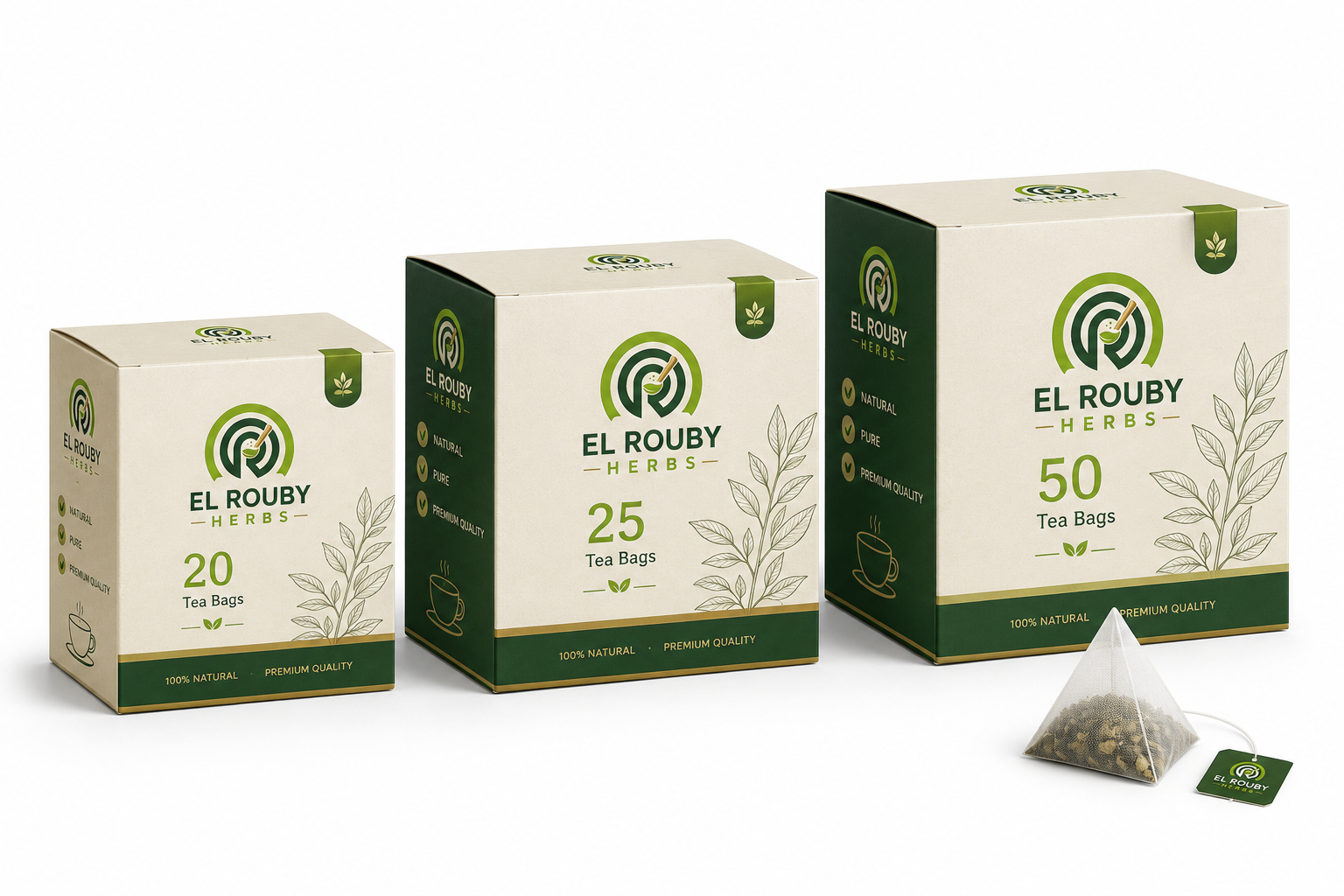
A box of herbal tea looks simple on a supermarket shelf, but getting dried flowers or leaves into a consistent, food-safe, shelf-stable tea bag involves a fairly involved manufacturing chain. Understanding each stage helps buyers ask better questions when evaluating a manufacturing partner — and helps explain why pricing varies so much between suppliers.
Stage 1: Harvesting and Initial Processing
Manufacturing quality starts in the field. Herbs intended for tea are typically harvested at peak maturity — for flowering herbs like chamomile, that means full bloom; for leaf herbs like mint or lemongrass, before flowering diverts the plant's energy away from leaf oil content. Harvest timing affects the final product more than almost any later processing step, since essential oil content generally can't be added back in after the fact.
Stage 2: Drying
Freshly harvested plant material contains far too much moisture for storage — it would mould within days. Drying brings moisture content down to a safe level (usually below 10%) using one of a few methods: open shade drying (traditional, slow, preserves colour well but weather-dependent), forced-air drying in controlled sheds (faster, more consistent, better for larger volumes), or, less commonly for herbs, low-temperature mechanical dryers. The goal in every case is the same: preserve aroma, colour, and essential oil content while removing enough water to prevent spoilage.
Stage 3: Cutting, Sifting, and Grading
Once dried, herbs are cut or milled to a particle size appropriate for the final product — whole flowers for premium loose tea, coarser cuts for pyramid tea bags, and fine "fannings" or "dust" grades for standard flat tea bags, which need small particle sizes for fast, even infusion. Sifting separates these grades and removes stems, dust, and any foreign matter. This is also the stage where visual and manual quality inspection typically happens, alongside lab testing for moisture, pesticide residue, and microbial safety.
Stage 4: Blending (Where Applicable)
Many herbal teas are blends — chamomile with lemongrass, hibiscus with cinnamon and ginger, mint with liquorice root. Blending happens after individual ingredients are graded, using batch recipes measured by weight percentage to ensure consistency between production runs. Manufacturers producing private-label blends will typically work from a buyer's specified recipe or help develop one.
Stage 5: Tea Bag Filling and Packaging
Automated filling machines measure a precise weight of tea material into individual bags — commonly heat-sealed filter paper, though pyramid-style mesh bags have become popular for whole-leaf and whole-flower blends. Filled bags are then boxed, often with an outer foil or film overwrap to protect against humidity, and cartoned for shipping. For bulk (non-retail) orders, material instead goes straight from grading into large-format bags — see our packaging options for the formats available.
Quality Control Throughout Manufacturing
Quality control isn't a single step at the end — it happens at multiple points: incoming raw material inspection, post-drying moisture testing, post-grading visual inspection, and pre-shipment lab testing and sampling. Manufacturers working to ISO or HACCP-aligned systems document each of these checkpoints, which is part of what a buyer is paying for when they choose a certified manufacturer over an uncertified one.
Tea Bags vs. Loose Leaf vs. Bulk Cut Herb
Which format makes sense depends on your business. Retail brands generally want finished tea bags, ready to private-label and sell. Food service and hospitality buyers often prefer loose leaf for pot brewing. Manufacturers making their own downstream products (extracts, capsules, cosmetic ingredients) usually want bulk cut-and-sifted or whole-dried material, unprocessed into bags at all.
Private Label Manufacturing for Export Brands
A significant share of herbal tea manufacturing globally is private label — a brand designs packaging and specifies a blend, and a manufacturer handles sourcing, processing, and filling under that brand's name. This lets smaller tea brands enter the market without owning farmland or processing equipment themselves. If you're exploring a private label herbal tea line, working directly with an origin-based manufacturer (rather than a reseller) generally gives better pricing and more control over blend specifications.
Equipment Used in Modern Tea Manufacturing
Herbal tea manufacturing at export scale relies on a mix of purpose-built equipment: mechanical or forced-air dryers for consistent moisture reduction, cutting mills for particle sizing, vibrating sieves for grading and separating material by size, and automated tea bag filling machines capable of measuring precise fill weights at high speed with heat-sealed filter paper or mesh. Metal detection is typically integrated into the line before final packing, as a food-safety check for any incidental metal contamination from harvesting or processing equipment. The specific equipment mix a manufacturer uses affects both consistency and maximum production capacity — worth asking about directly if you're planning a large private label order with a tight timeline.
Sustainability in Tea Manufacturing
Sustainability considerations increasingly factor into buyer decisions in this category, covering several dimensions: energy use in drying (solar-assisted and efficient forced-air drying reduce energy consumption compared to older methods), packaging material choices (unbleached filter paper, biodegradable tea bag mesh, and reduced plastic in outer packaging are increasingly requested), and water use in growing and processing. Buyers with specific sustainability commitments or certifications to uphold should raise these requirements early in supplier conversations, since retrofitting a supply chain to meet them after the fact is far more difficult than building them into the original sourcing agreement.
Common Manufacturing Defects and How They're Prevented
A few recurring quality issues are worth understanding, mainly because asking about them signals a buyer who knows what to look for. Inconsistent fill weight (bags with noticeably different amounts of material) usually points to poorly calibrated or poorly maintained filling equipment. Bag seal failures (leaking or splitting during brewing) often trace back to filter paper quality or sealing temperature control. Colour or aroma fading before the stated shelf life typically indicates a packaging or storage humidity problem rather than a fault in the base ingredient. A manufacturer with mature quality control catches these issues through routine in-line sampling during production, not only at final inspection.
Cost Factors in Tea Manufacturing
Beyond raw ingredient cost, several factors shape the final price of manufactured herbal tea: the complexity of the blend (single-ingredient teas are cheaper to produce than multi-ingredient blends requiring precise recipe control), packaging format (pyramid bags and pouches cost more than standard flat tea bags), order volume (production runs have setup costs that are amortised better across larger orders), and any custom branding or box printing requirements. For private label buyers planning their first order, it's worth requesting a cost breakdown by these categories rather than a single bundled price, so you can identify where cost-saving trade-offs are actually available.
Lead Times in Tea Manufacturing
Manufacturing lead time depends on several variables: whether the required raw material is in current stock or needs to be sourced from the next harvest, order volume relative to production capacity, packaging complexity (custom box printing takes longer than standard packaging), and whether it's a repeat order using an established blend recipe or a new formulation requiring development and approval rounds. As a general pattern, simple single-ingredient tea bag orders using in-stock material can move faster than complex custom blends with new packaging design — buyers with a fixed launch date should build in buffer time, particularly for a first order with a new blend recipe, since trial batches and approval rounds take real time that's easy to underestimate when planning a launch timeline.
Minimum Order Quantities for Tea Manufacturing
Manufacturing runs have real setup costs — cleaning and reconfiguring filling equipment between different products, printing minimum runs for custom packaging, and allocating raw material batches — which is why most manufacturers set minimum order quantities rather than accepting any volume. MOQs vary significantly depending on packaging format: standard tea bags with generic packaging generally have lower MOQs than fully custom pyramid bags with bespoke printed boxes, since the latter carries higher fixed setup costs that need to be spread across a larger order to remain economical for both manufacturer and buyer. First-time buyers testing a new market are often better served starting with a smaller trial run using more standard packaging, then scaling to fully custom packaging once demand is validated.
Choosing Between an Exporter and a Domestic Repacker
Buyers sometimes have a choice between sourcing raw herbal material and having it manufactured into tea bags domestically in their own country, versus having the full manufacturing done at origin in Egypt and importing the finished product. Manufacturing at origin generally offers better pricing (labour and processing costs are typically lower) and closer quality control over the raw material at every step, but adds complexity around finished-product import compliance (labeling, food safety registration) that raw ingredient import doesn't require. Manufacturing domestically after importing raw material shifts more compliance burden to a familiar domestic regulatory environment but generally costs more per unit. Which approach makes sense depends on your business's existing infrastructure and familiarity with either country's compliance requirements.
Working With Elrouby Herbs on Tea Manufacturing
We handle the full chain from sourcing through to finished tea bag packaging for several herb varieties, including chamomile, peppermint, and hibiscus tea. If you're evaluating a manufacturing partner for a private label or bulk tea program, get in touch with your target blend and volume for a quote.
Related Pages
Frequently Asked Questions
What's the difference between tea bag "dust" grade and whole leaf?
Dust or fannings grades are finer particle sizes used in standard flat tea bags for fast infusion; whole leaf or whole flower grades are used in pyramid bags or loose-leaf tea and generally infuse more slowly but preserve more visual and aromatic character.
Can you produce custom herbal tea blends?
Yes, we can work from a specified recipe or help develop a blend based on your target flavor profile and market.
What packaging formats are available for finished tea bags?
We offer standard flat tea bags and can discuss pyramid or custom formats depending on order volume — see our packaging page or contact us for current capabilities.
How is moisture content controlled during drying?
Moisture is monitored during and after drying using moisture meters, targeting below roughly 10% to ensure shelf stability and prevent mould growth during storage and shipping.
Do you offer private label tea manufacturing?
Yes, we support private label programs from sourcing through to finished packaged tea bags. Contact our team with your brand requirements to discuss.
What causes inconsistent tea bag fill weight?
This typically points to poorly calibrated or poorly maintained filling equipment. Mature manufacturers catch this through routine in-line sampling during production, not just final inspection.
Can I request sustainable or plastic-reduced packaging?
Yes — unbleached filter paper, biodegradable mesh tea bags, and reduced-plastic outer packaging are increasingly available options. Raise sustainability requirements early in supplier discussions for the best results.
What drives up the cost of a custom tea blend?
Multi-ingredient blends requiring precise recipe control, premium packaging formats like pyramid bags, smaller order volumes, and custom branding/printing all add cost compared to a simple single-ingredient tea in standard packaging.
Is it cheaper to manufacture tea bags at origin or domestically?
Manufacturing at origin in Egypt generally offers lower labour and processing costs, but importing raw material and manufacturing domestically may simplify finished-product compliance in your own country. The right choice depends on your business's existing infrastructure.
How is metal contamination prevented in tea manufacturing?
Metal detection equipment is typically integrated into the production line before final packing, screening for any incidental metal contamination from harvesting or processing equipment.
How far in advance should I place a private label tea order before launch?
Build in buffer time beyond the base production lead time, especially for a first order with a new blend — trial batches, recipe approval rounds, and custom packaging design all take longer than many buyers initially expect.
Can tea manufacturing facilities handle both bulk and retail packaging?
Many manufacturers offer both, running bulk bagging lines alongside automated tea bag filling equipment — confirm current capacity and formats directly with your manufacturer for your specific order size.
What quality checks happen right before a tea shipment leaves the factory?
A final pre-shipment inspection typically confirms fill weight consistency, seal integrity, correct labeling, and box count against the order, alongside the certificate of analysis prepared earlier in production.