Herbal Tea
Herbal Tea 101: What It Is, Popular Egyptian Varieties, and How to Choose
July 22, 2026 · 9 min read
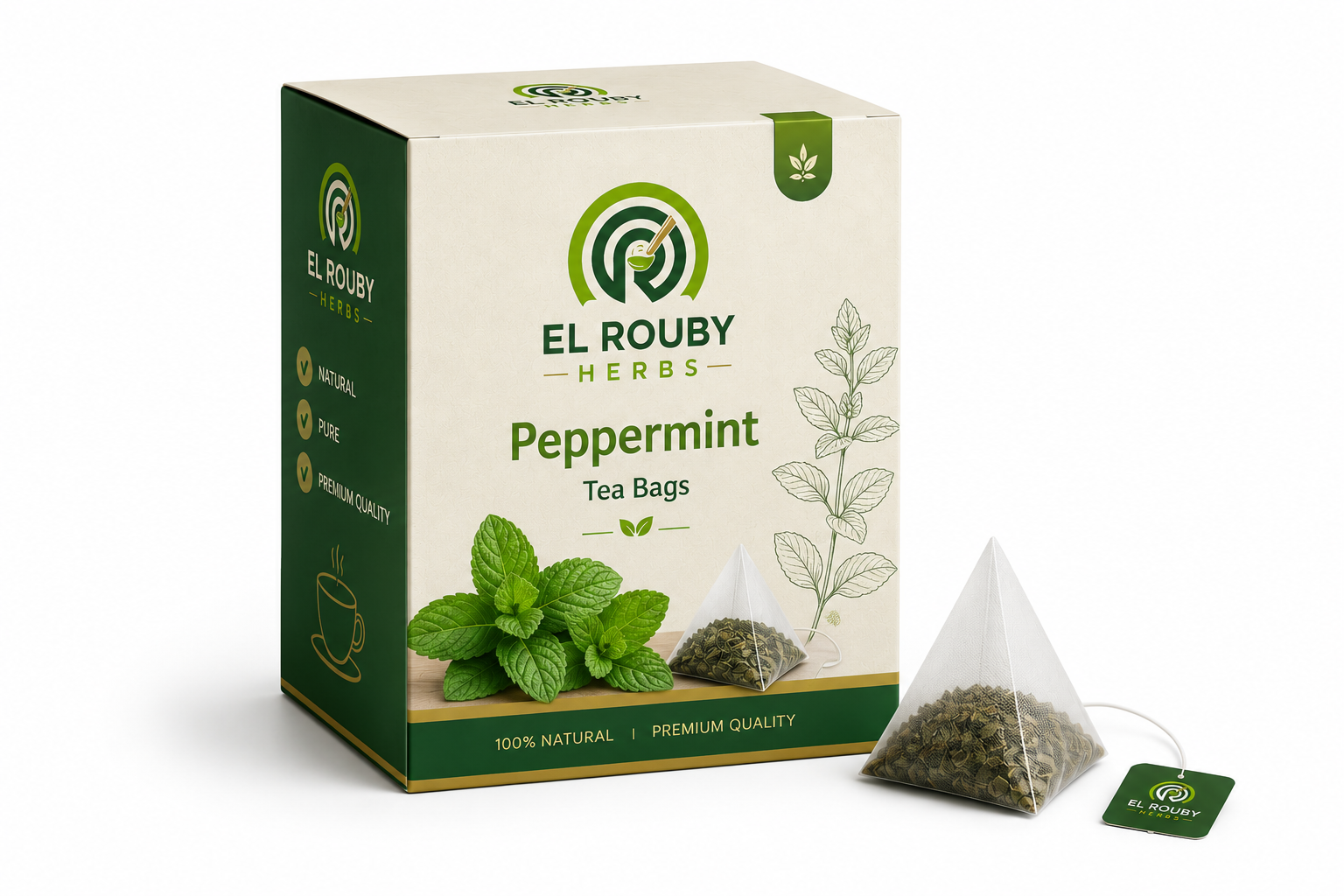
Walk down the tea aisle and you'll see "herbal tea" sitting right next to green, black, and white tea — but botanically, herbal tea isn't tea at all. Understanding that distinction, and knowing the main Egyptian herbal tea varieties, makes it much easier to choose the right one, whether you're a consumer or a buyer sourcing for a retail line.
Herbal Tea vs. "Real" Tea
True tea — green, black, white, oolong — all comes from a single plant, Camellia sinensis. "Herbal tea" is a catch-all term for infusions made from anything else: flowers, leaves, roots, seeds, or bark of other plants. The more precise term is tisane, though "herbal tea" has become the standard consumer-facing term worldwide. The practical difference that matters most to drinkers: herbal teas are naturally caffeine-free, since caffeine is specific to the tea plant (and a handful of others like coffee and yerba mate) — chamomile, hibiscus, or mint infusions contain none of it.
Popular Egyptian Herbal Tea Varieties
Hibiscus (Karkade)
Egypt's most iconic herbal tea. Deep red, tart, and traditionally served both hot and cold, karkade is grown extensively in Upper Egypt and is a genuine national drink, served at celebrations and offered as a guest welcome. It's also widely exported and used as a natural red colourant and flavour base in blended teas internationally.
Chamomile
Mild, apple-scented, and traditionally used as a calming evening infusion. Covered in more depth in our dedicated chamomile guide.
Peppermint
Bright, cooling, and traditionally paired with black tea in Egyptian and broader Middle Eastern tea culture. On its own as a caffeine-free infusion, it's a popular after-meal choice.
Anise and Cinnamon
Warming spice-forward infusions, often consumed in cooler months, individually or blended together.
Ginger
Sharp and warming, commonly used as a base for spiced blends.
Fennel and Anise
Liquorice-like in flavour, these seed-based infusions are traditionally consumed after meals across Egypt and the wider Middle East, often served in restaurants and homes alike as a digestif-style closing drink.
Lemongrass
Bright and citrusy, lemongrass is grown across the Nile Delta and is popular both on its own and blended with mint or ginger for a more complex flavour profile.
Marjoram and Sage
Both herbs with a long culinary and traditional-use history in Egypt, marjoram and sage are less common as standalone commercial teas internationally but remain popular in domestic and regional markets, and increasingly appear in Western "wellness" blend formulations.
Traditional Uses — With the Right Caveats
Across these varieties, herbal teas carry long traditions of use for relaxation, digestive comfort, or simply as a warming or cooling ritual depending on climate and season. These are traditional uses, not medical claims, and herbal tea should not be treated as a substitute for professional medical advice, particularly for anyone pregnant, nursing, on medication, or managing a health condition.
Caffeine-Free by Nature
One of the most practical reasons people choose herbal tea is simply the absence of caffeine — useful for an evening drink, for those sensitive to caffeine, or as a variety option alongside caffeinated tea and coffee throughout the day. Because herbal teas are caffeine-free by botanical nature (not through a decaffeination process), there's no processing residue concern that sometimes comes up with decaffeinated "real" tea.
How to Brew a Good Cup
Herbal teas generally benefit from a longer steep than delicate green or white teas, since there's no risk of extracting bitter tannins the way over-steeped black tea can. As a general guide: use freshly boiled water, steep flowers and leaves (chamomile, mint, hibiscus) for 5–7 minutes, and steep tougher material like cinnamon bark or ginger root for closer to 8–10 minutes to fully extract flavour.
Sourcing Herbal Tea Ingredients Wholesale
For businesses buying at volume — cafés, tea brands, hospitality groups — sourcing directly from an origin exporter rather than a repackaging middleman typically means better pricing, fresher stock, and more consistency between orders. It also gives more visibility into growing region, harvest date, and lab testing, which matters increasingly to quality-conscious retail buyers.
Herbal Tea Trends in International Markets
Global demand for herbal and functional tea has grown steadily, driven by consumer interest in caffeine-free options and "wellness" positioning in retail. Hibiscus in particular has seen rising international demand both as a standalone tea and as a natural colourant/flavour component in blended and iced tea products.
Popular Herbal Tea Blend Combinations
Blending is where herbal tea brands often differentiate themselves. Some combinations have become near-standard across the industry because the flavour pairing works well and the ingredients are widely available at scale: hibiscus with cinnamon and a touch of ginger for a warming, tart winter blend; mint with liquorice root for a naturally sweet, cooling combination; chamomile with lavender for an evening relaxation blend; and lemongrass with ginger for a bright, energising caffeine-free option. When developing a custom blend, it's worth requesting small trial batches at different ratios before finalising a recipe for production — flavour balance in herbal blends is genuinely difficult to get right on paper alone.
Packaging Herbal Tea for Retail vs. Foodservice
The right packaging depends heavily on the sales channel. Retail products generally need individually wrapped tea bags (protecting freshness once the outer box is opened), attractive box design, and clear labeling meeting the destination market's food labeling requirements. Foodservice and hospitality buyers — cafés, hotels, restaurants — more often want either individually wrapped bags in bulk count boxes (for consistency and hygiene) or loose leaf in bulk packaging for pot brewing, without the same retail box design investment. Clarifying your sales channel upfront when requesting a quote helps a supplier recommend the right packaging format rather than defaulting to a generic option that may not suit your actual business.
Health-Conscious Consumer Trends Driving Demand
A broader consumer shift toward reduced caffeine intake, functional beverages, and "clean label" products (short, recognisable ingredient lists) has been a consistent tailwind for the herbal tea category over the past several years. This has also driven demand for single-origin transparency — some consumers and retailers now want to know not just that a tea is "herbal" but specifically where the hibiscus or chamomile in it was grown, which is part of why traceability has become a more common request from buyers further down the supply chain, not just from large manufacturers.
Iced and Cold-Brewed Herbal Tea
Beyond the traditional hot cup, herbal teas — hibiscus especially — have become popular as cold and iced beverages, particularly in warmer climates and during summer months. Karkade is traditionally served chilled in Egypt as often as it is served hot, usually lightly sweetened. Cold brewing (steeping in cold water over several hours rather than hot water for minutes) produces a smoother, less tart infusion for hibiscus and is increasingly used by specialty beverage brands as a differentiated product format. For businesses developing a ready-to-drink herbal tea product, understanding these different serving traditions can inform both product development and marketing positioning in different regional markets.
Herbal Tea as a Functional Beverage Ingredient
Beyond being sold as tea in its own right, dried herbal tea ingredients increasingly show up as components in other product categories — flavoured sparkling waters, kombucha flavourings, natural food colourants (hibiscus in particular, for its vivid red-purple pigment), and functional beverage blends marketed around specific consumer wellness trends. This cross-category demand has broadened the customer base for bulk herbal tea ingredient exporters beyond traditional tea companies alone, and buyers from the broader beverage and food industry are an increasingly significant part of the market for products like hibiscus and mint.
Herbal Tea Quality Indicators Consumers and Buyers Should Know
Whether you're buying a single box for personal use or sourcing at wholesale volume, a few visual and sensory indicators reliably point to quality: vivid, consistent colour (faded or dull colour usually indicates age, poor storage, or light exposure), strong characteristic aroma when the package is opened, minimal dust or broken fragments relative to whole flowers or leaves, and a harvest or best-by date that isn't approaching expiry. For wholesale buyers, these same indicators are exactly what a supplier's own quality grading should be formally verifying before a shipment leaves origin, which is why requesting grading documentation alongside a physical sample gives a more complete picture than a sample alone.
Herbal Tea Around the World: A Quick Comparison
While this guide focuses on Egyptian varieties, herbal tea traditions exist across nearly every culture, and understanding a few reference points helps position Egyptian herbal tea within the broader global category. South Africa is well known for rooibos, a naturally sweet, caffeine-free infusion from a different plant family entirely. Argentina and neighboring countries are known for yerba mate, technically caffeinated unlike most herbal teas. Morocco is closely associated with mint tea, traditionally blended with green tea rather than served as a pure herbal infusion. Against this backdrop, Egypt's hibiscus and chamomile occupy a well-established, globally recognized position — distinct enough in flavour and colour to stand on their own, while fitting comfortably into the broader worldwide herbal tea category that continues to grow in consumer popularity.
Where to Start
Browse our full product catalog for available herbal tea ingredients, or see our specific hibiscus, peppermint, and cinnamon tea offerings. For wholesale inquiries, contact our team directly.
Related Pages
Frequently Asked Questions
Is herbal tea actually tea?
Botanically, no — true tea comes only from the Camellia sinensis plant. Herbal tea (more precisely called a tisane) is an infusion of other plants like chamomile, hibiscus, or mint, but the term "herbal tea" is the standard consumer name for it worldwide.
Which Egyptian herbal tea is most popular internationally?
Hibiscus (karkade) is Egypt's most internationally recognized herbal tea export, valued both as a standalone tea and as a natural colourant/flavour in blends.
Is herbal tea caffeine-free?
Yes, all true herbal teas (tisanes) are naturally caffeine-free, since caffeine only occurs in specific plants like the tea plant, coffee, and yerba mate — none of which are used in herbal infusions.
How long should I steep herbal tea?
Most flower and leaf herbal teas steep well for 5–7 minutes; tougher ingredients like cinnamon bark or ginger root benefit from a longer 8–10 minute steep to fully extract flavor.
Can herbal tea be blended with other ingredients?
Yes, blending is common — hibiscus with cinnamon and ginger, or mint with liquorice root, are popular combinations. We can also produce custom blends for private label orders.
What's the difference between packaging for retail versus foodservice?
Retail typically needs individually wrapped bags with full box design and labeling; foodservice buyers more often want bulk count boxes of wrapped bags or loose leaf for pot brewing, without the same retail packaging investment.
Why has demand for herbal tea grown in recent years?
Consumer interest in reduced caffeine intake, functional/wellness beverages, and clean-label products with short ingredient lists has driven consistent category growth, along with rising interest in traceable, single-origin sourcing.
Is hibiscus tea the same as rooibos or yerba mate?
No — these are entirely different plants from different regions. Rooibos comes from South Africa, yerba mate from South America (and is caffeinated), while hibiscus (karkade) is Egypt's signature herbal tea, all grouped under the broad 'herbal tea' umbrella but botanically distinct.
What signs indicate a herbal tea is past its best quality?
Faded colour, weak or musty aroma, and excessive dust or broken material relative to whole flowers or leaves are the main indicators of age or poor storage, even if the product is still within its printed shelf-life date.
Can herbal tea ingredients be used in cold beverages, not just hot tea?
Yes — hibiscus in particular is traditionally served cold in Egypt, and herbal tea ingredients are increasingly used in cold-brewed and ready-to-drink beverage formulations across the food and beverage industry.
What's the best way to store loose herbal tea at home?
Keep it in an airtight container away from direct light and heat — the same principles that apply to bulk storage apply at home, just at a smaller scale, and significantly extend how long the tea keeps its aroma and colour.